Intervention 1 – “Micro-Comfort Zone”
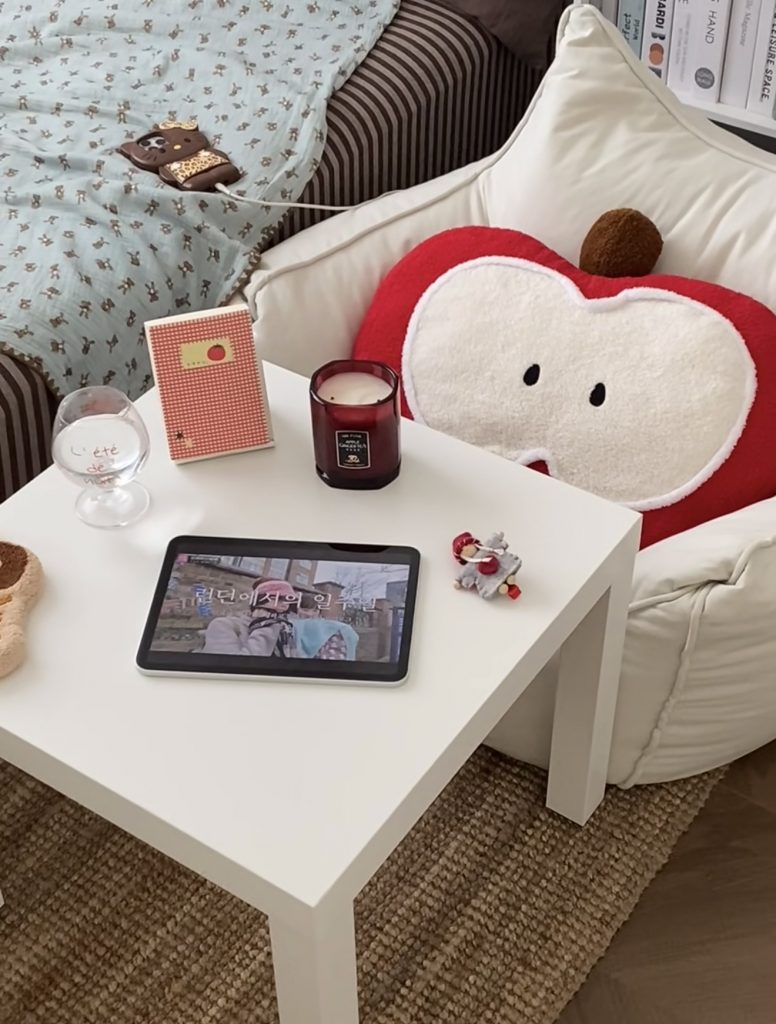
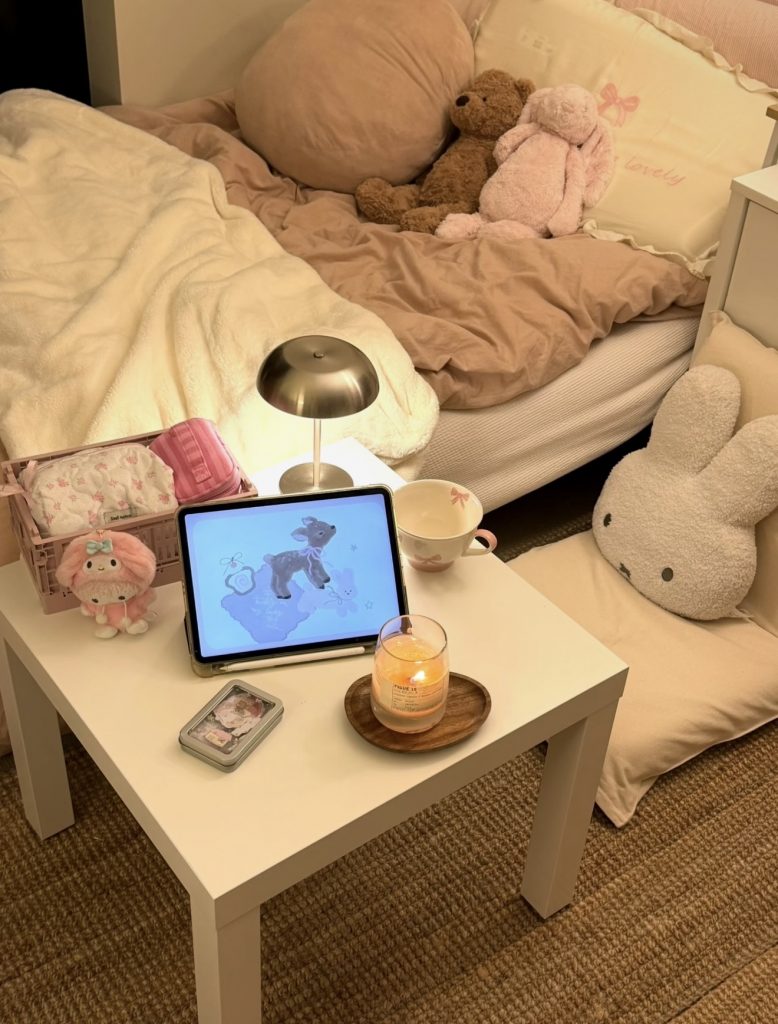
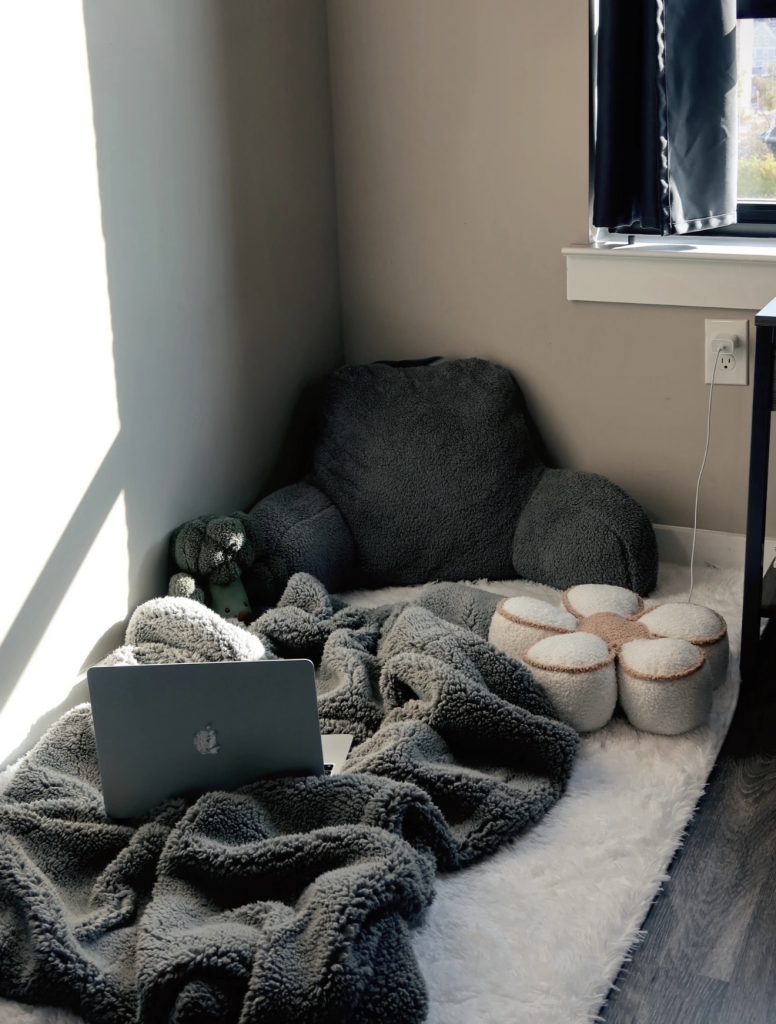
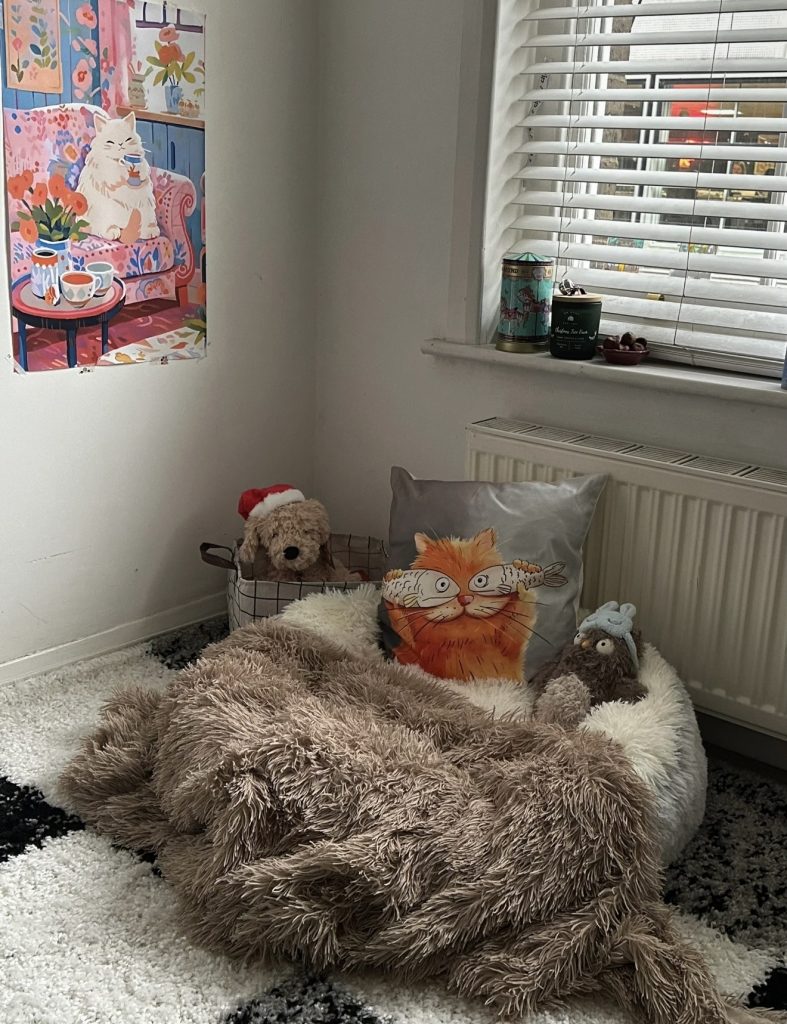
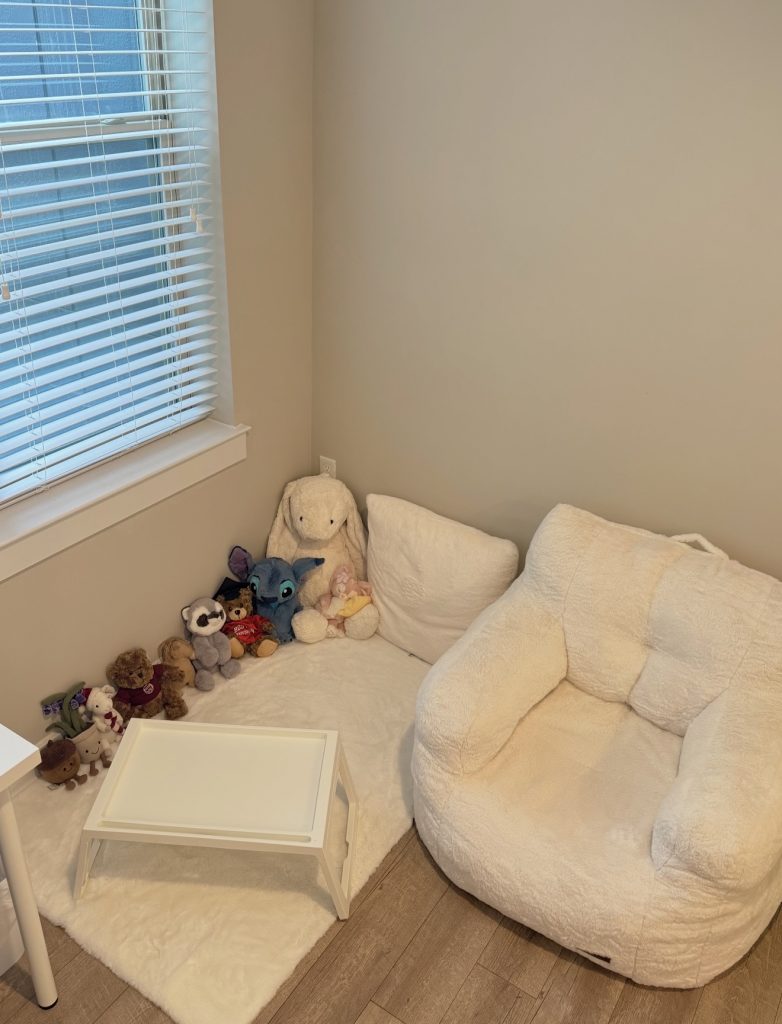
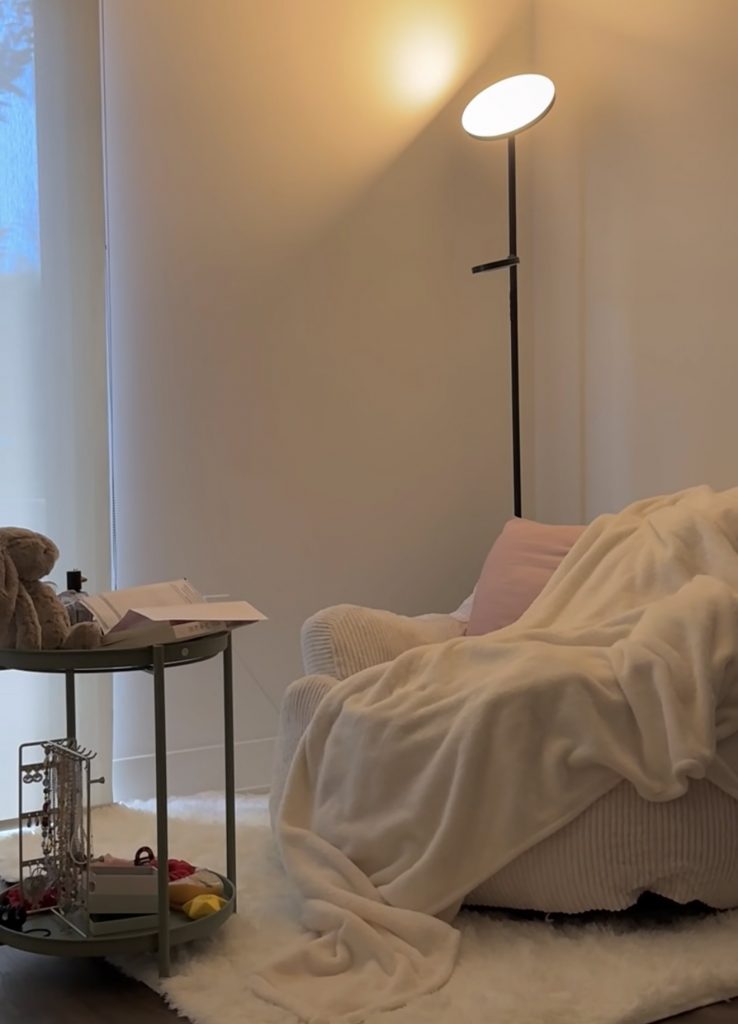
Six adult participants from overseas were recruited for the “5-Day Micro-Comfort Zone Challenge” to use their own tactile and olfactory goods (such as cozy transitional items, blankets, and familiar aromas) to create a dedicated domestic sanctuary. The study used transitional object theory and olfactory memory activation to test whether actively exercising spatial agency over an immediate micro-environment can alleviate homesickness and spatial disorientation by having participants interact with this sensory nook for 10 to 15 minutes every day for five days in a row. The results were then assessed through semi-structured debrief interviews.
Reclaiming Spatial Agency: In order to shut out visual memories of academic work and regain control over generic rental rooms, participants purposefully avoided high-stress desks and beds and dropped to the floor (within a 1-2 square meter footprint).
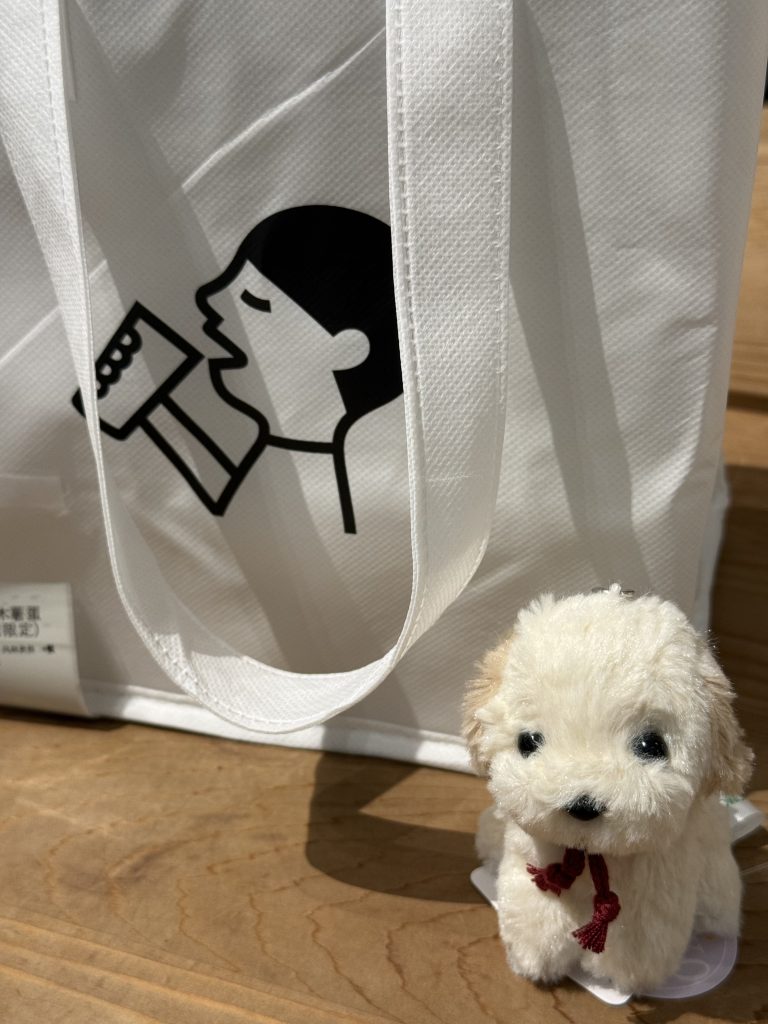
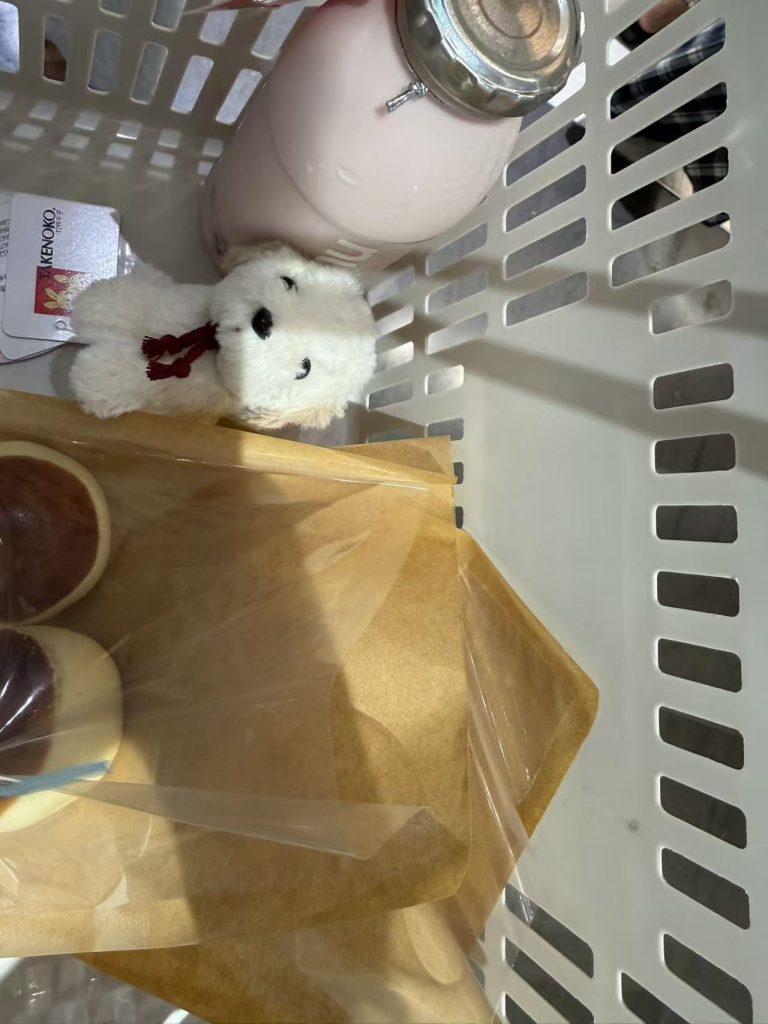
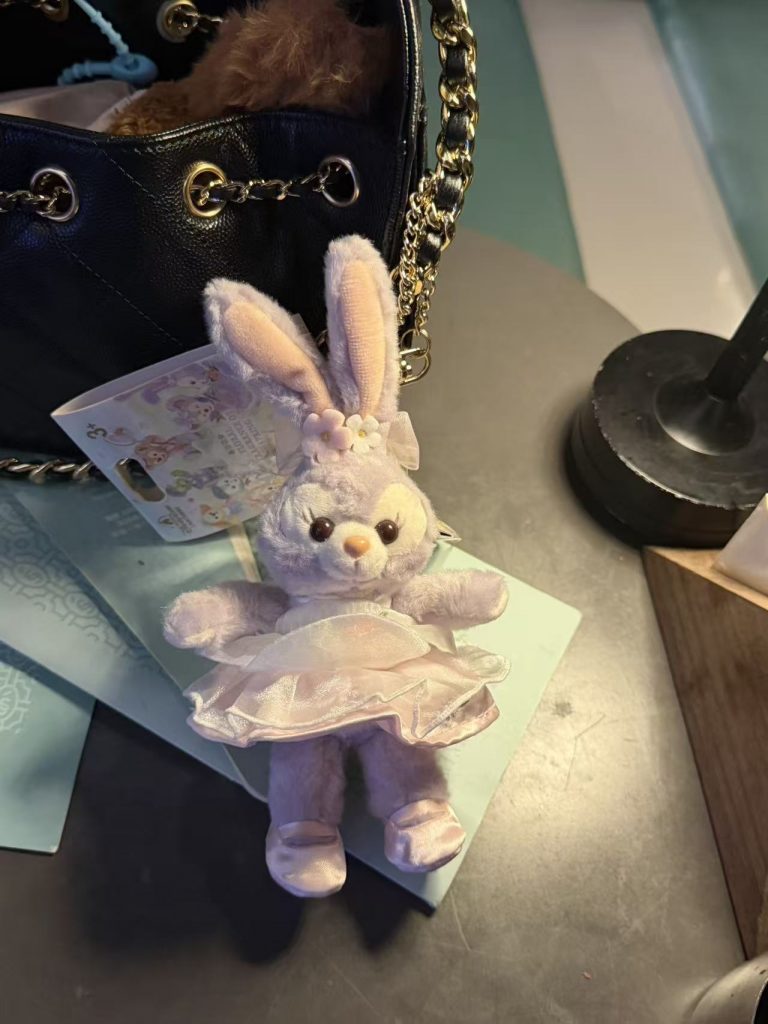
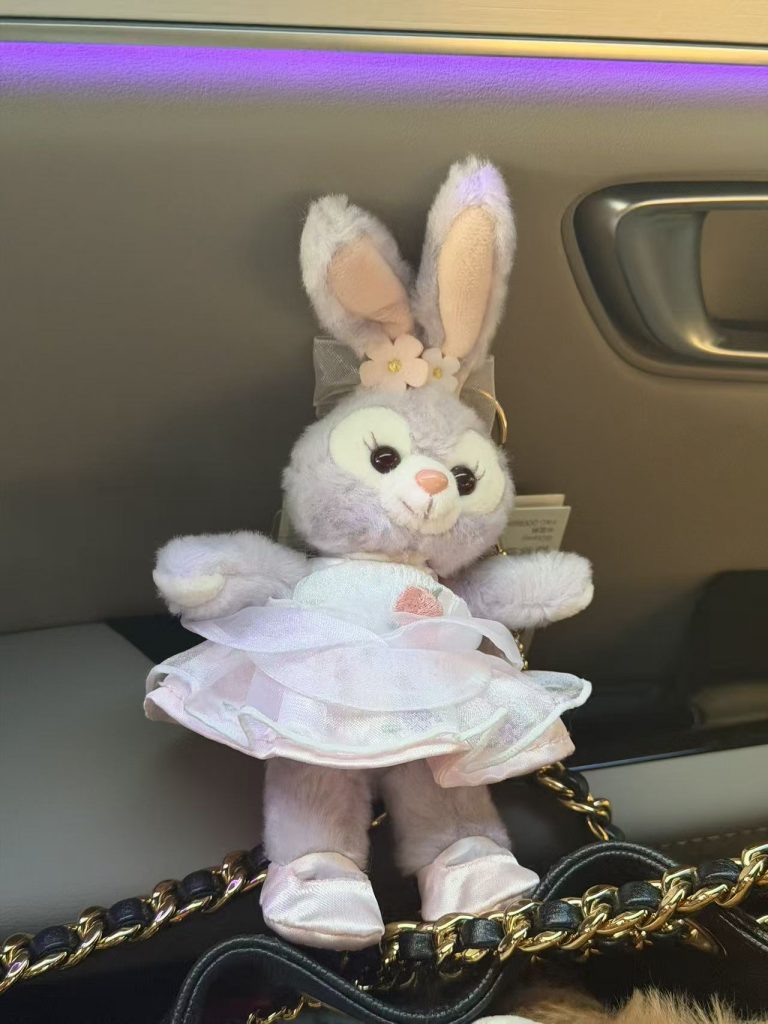
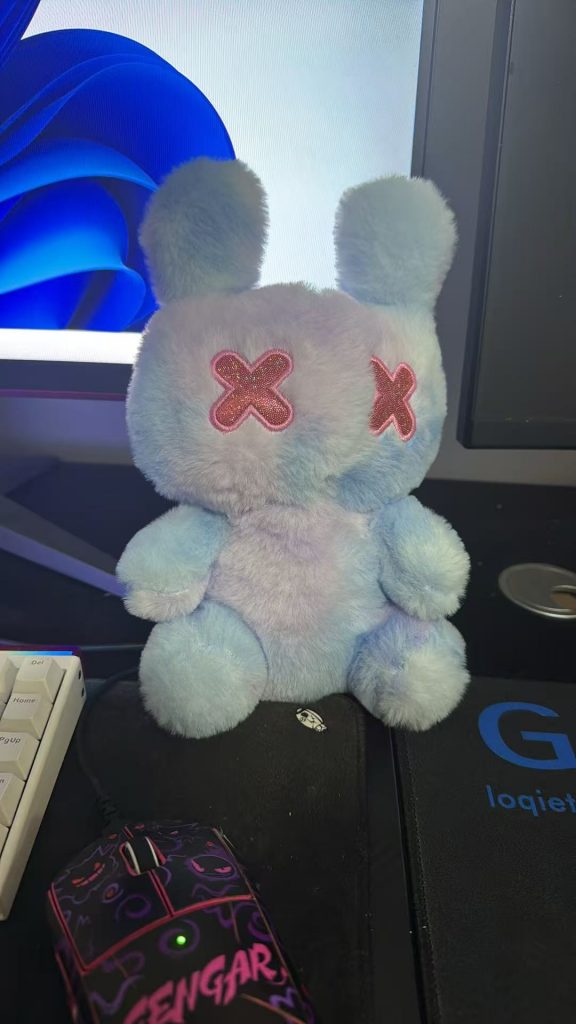
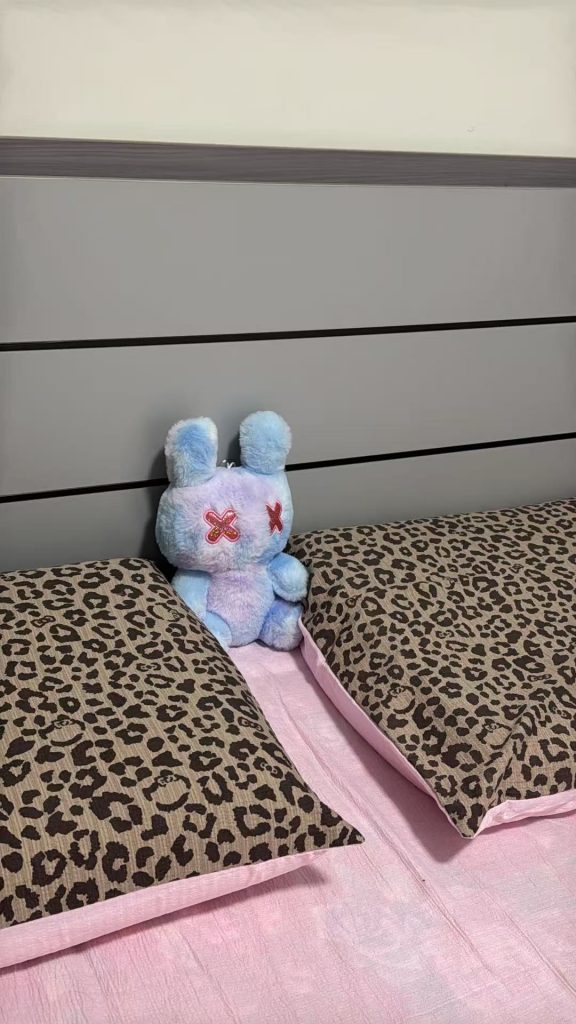
Deep Pressure Touch: Using familiar transitional plush toys successfully decreased physical restlessness and muscle stiffness, while thick blankets and firm cushions offered somatic anchoring through deep pressure touch.
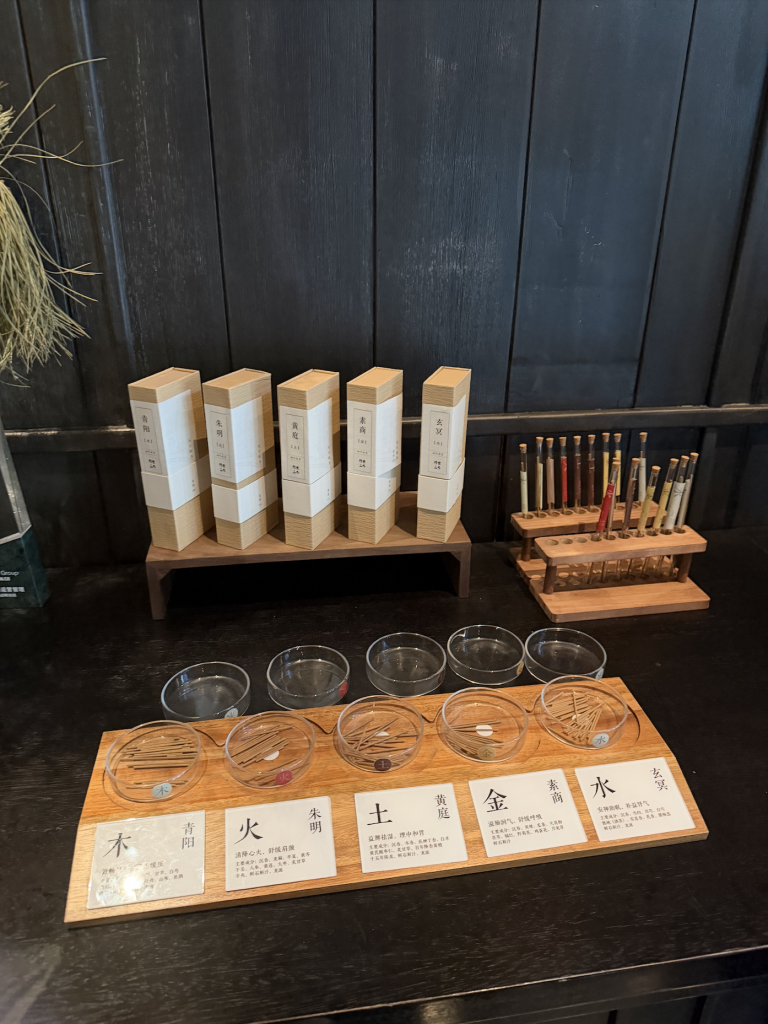
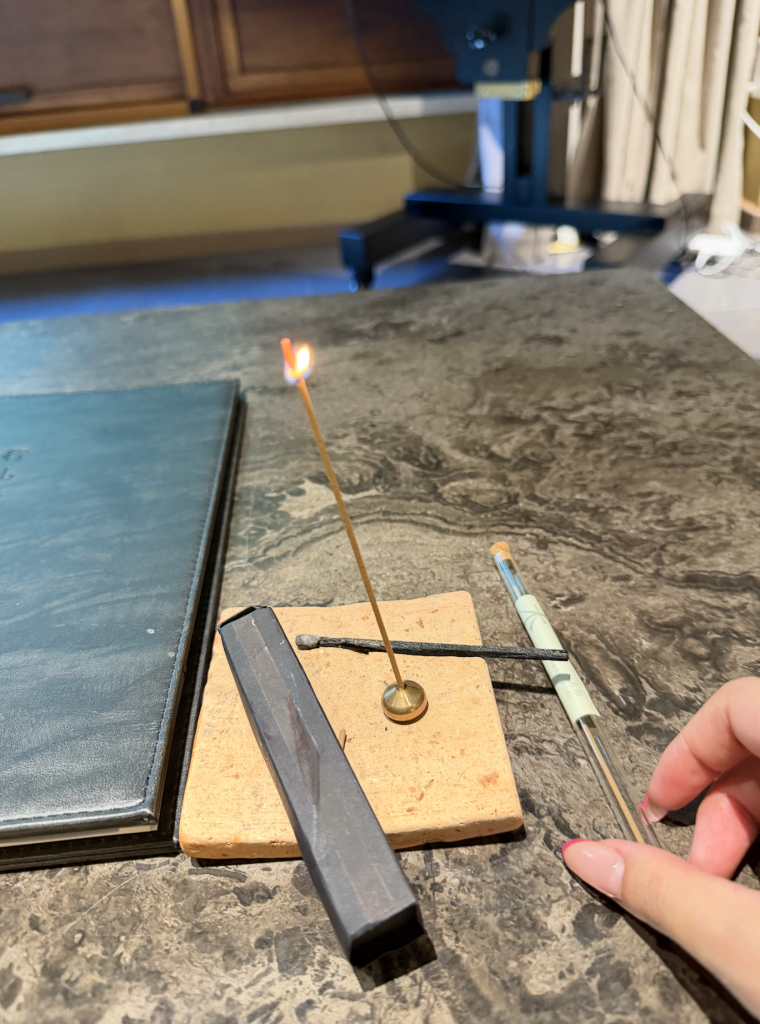
Pre-Cognitive Olfactory Recall: Self-selected fragrances (including sandalwood, pine resin, spiced fruit tea, and dried peel) immediately activated the limbic system, transforming intense homesickness into consoling, introspective nostalgia that confirmed cultural continuity.
Physical Synergy Over Screen Reliance: The closed loop of tactile warmth and instant smell offered an offline, embodied sense of calm that anchored the nervous system, in contrast to digital screens and video calls that highlight time zones and physical distance.
Intervention 2 – “Mobile Sensory Companion”
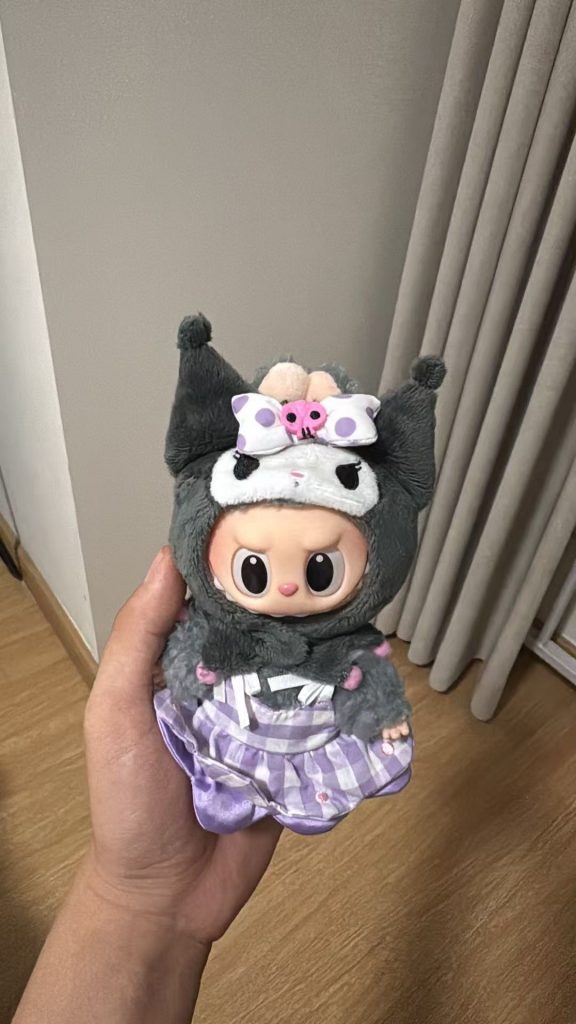
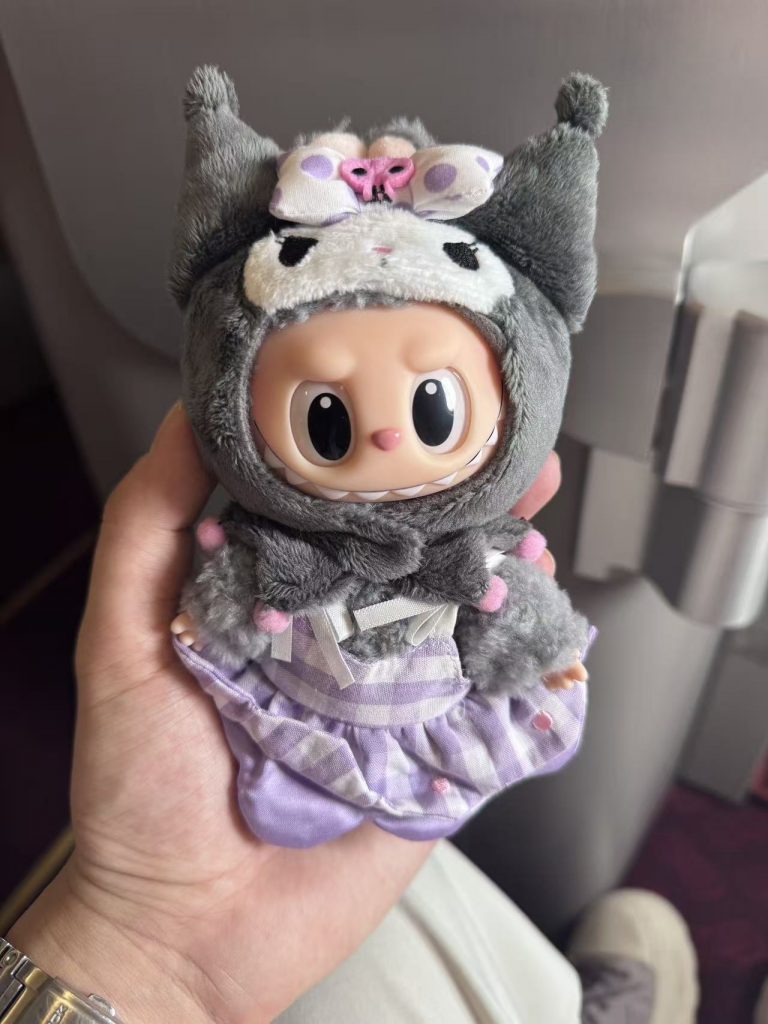
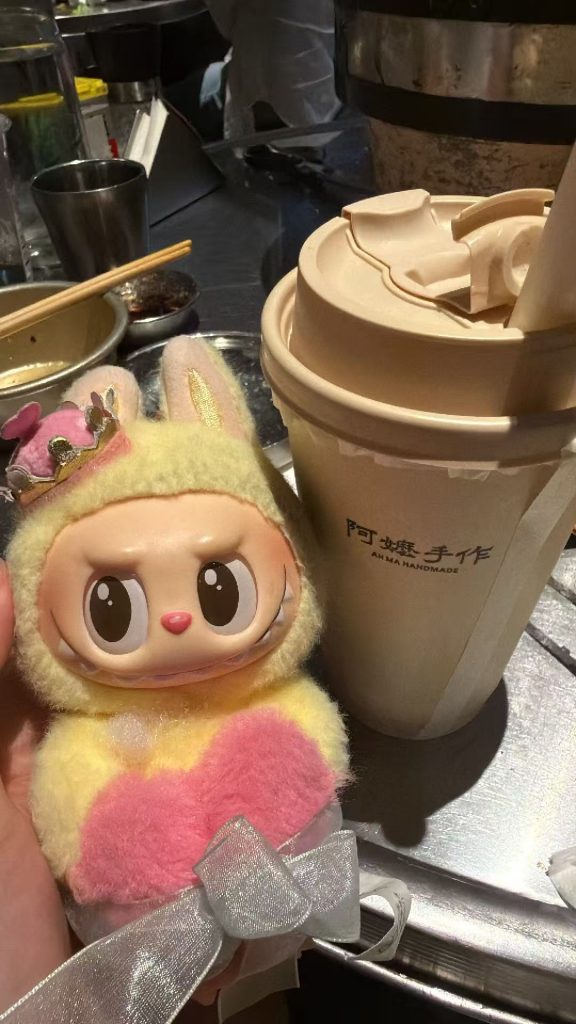
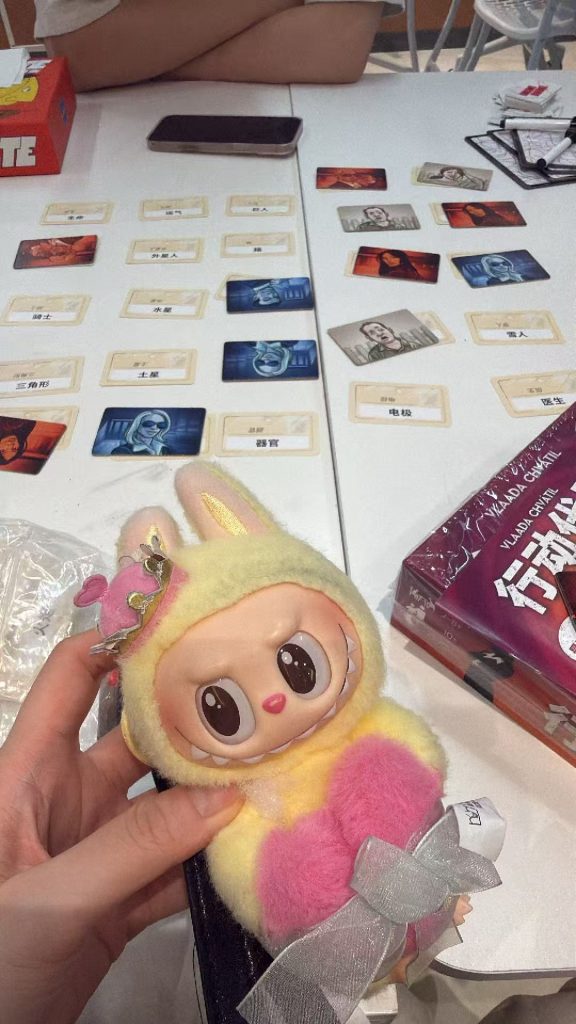
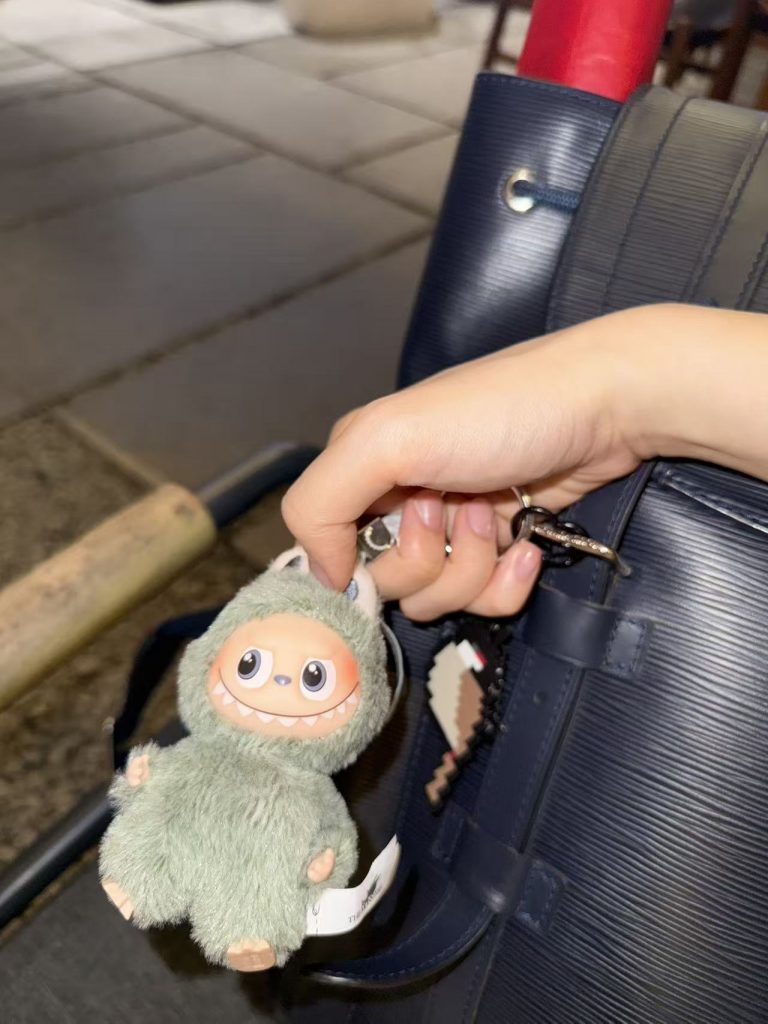
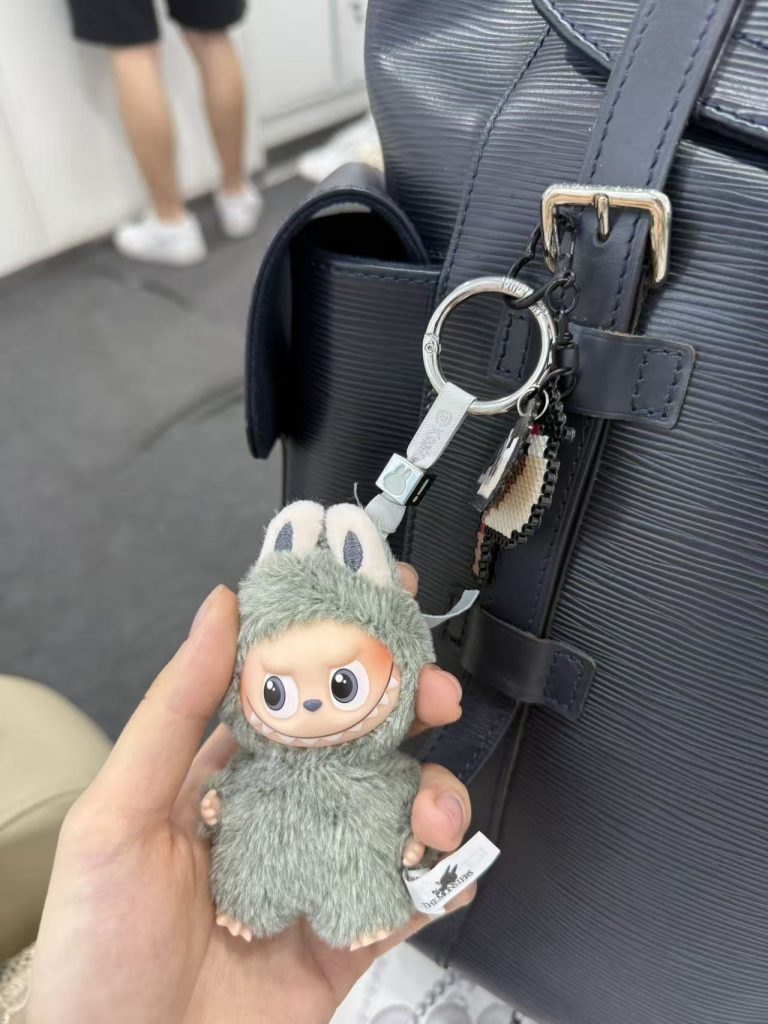
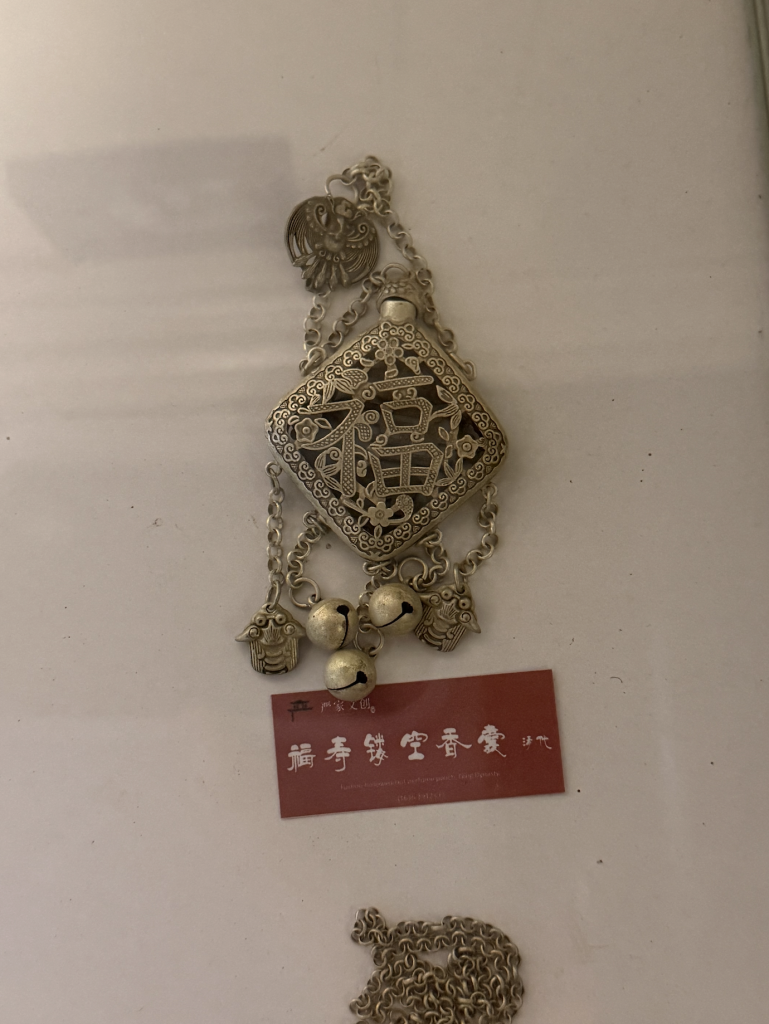
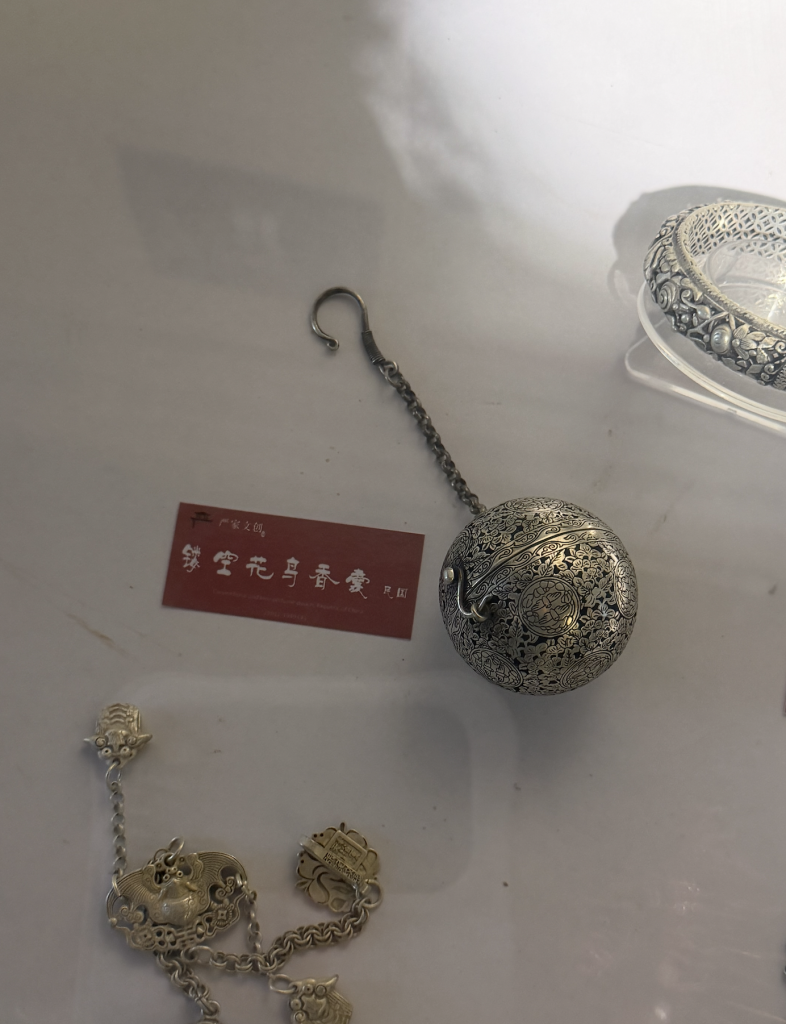
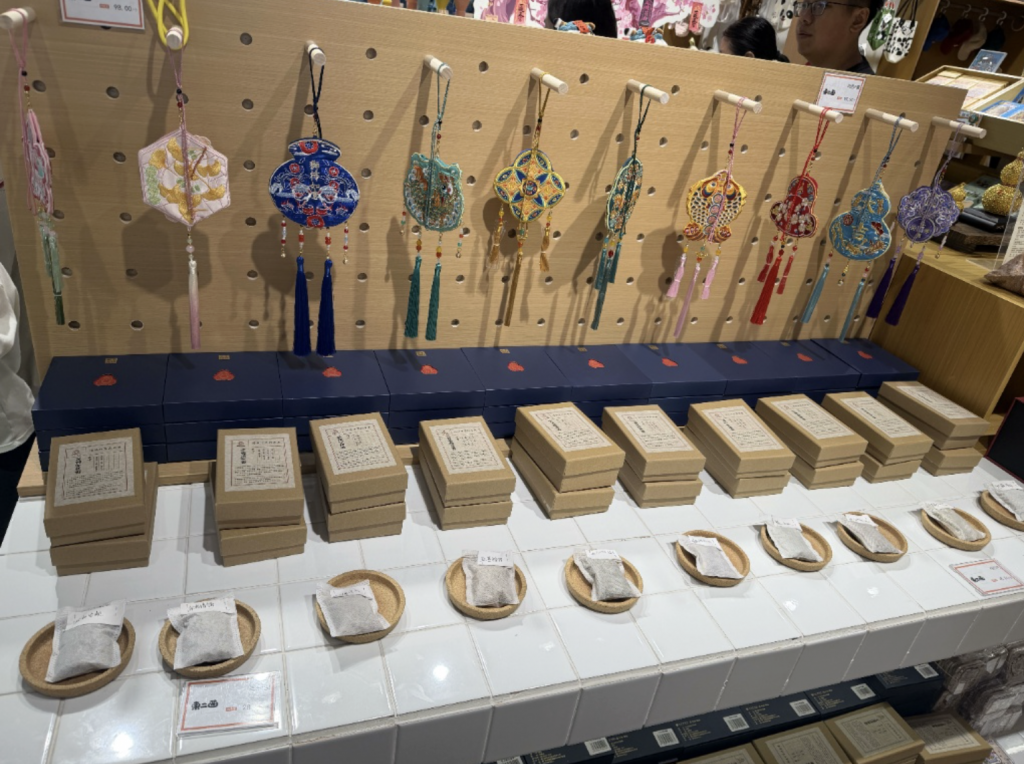
A “semi-bespoke design probe” technique is used in this second action-research cycle to change the experimental focus from a static home nook to dynamic public settings. In order to verify the effectiveness of a portable dual-sensory companion in creating a discrete “psychological boundary,” assess the privacy of passive scent diffusion in public areas, and collect participant-led criteria for future modular prototype iterations, the study uses daily mobile diaries and post-intervention debrief interviews with overseas Chinese participants who attach a standardized natural solid scent pack (such as roasted oolong tea, sweet osmanthus, or mountain cedar) to their own personal plush charms and interact with them for one to two minutes during times of acute stress, homesickness, or language anxiety.
Dual-Sensory Synergy: Cedarwood calms breathing and heart rate, osmanthus-tea scents convey cultural affiliation, and a variety of textures (plush, vinyl, satin) reduce physical strain.
Invisible Psychological Boundary: In high-stress public areas (such as transit, supermarkets, and social gatherings), rapid tactile kneading and close sniffing create an instant, private safety zone.
Discreet Passive Diffusion: The practical, non-intrusive practicality of the solid-state smell core is confirmed by the fact that it stays private and personal without spreading into the common area.
Turning points
The idea of a “psychological safe zone” experiences a drastic spatial compression during the two action-research cycles, changing from a stationary physical niche to a transportable, handheld artifact. Intervention 2 condensed this territorial haven into a transportable scented plush charm, while Intervention 1 confirmed the effectiveness of recovering a 1-2 square meter residential corner through tactile and olfactory curation. Fragrance serves as an invisible sensory barrier in this dynamic environment: in alienating, chaotic public spaces, the non-intrusive scent immediately creates an olfactory buffer that shields the user from environmental stressors and translocates them into a familiar, internalized space to effectively alleviate homesickness and spatial dislocation.