My fieldwork extended into a critical commercial setting: scent-driven hospitality design, when I investigated independent perfumeries, archival jars, and culinary odors. A hotel inherently represents displacement because it is a temporary place to live. A fascinating real-world case study on how aroma actively reconstructs a sense of belonging in new surroundings was offered by visiting a hotel where fragrance is a key component of the design.
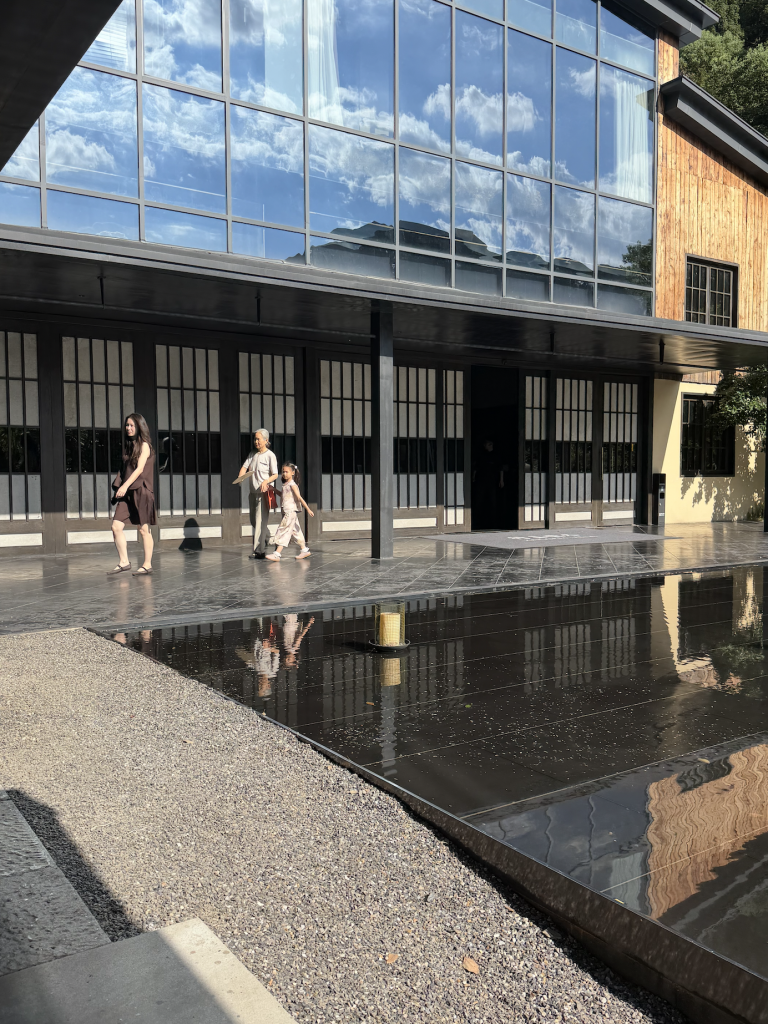
An Aromatic Ritual from Check-in to Private Quarters
Aroma becomes an active narrative medium throughout the room, transcending passive ambient background diffusion:
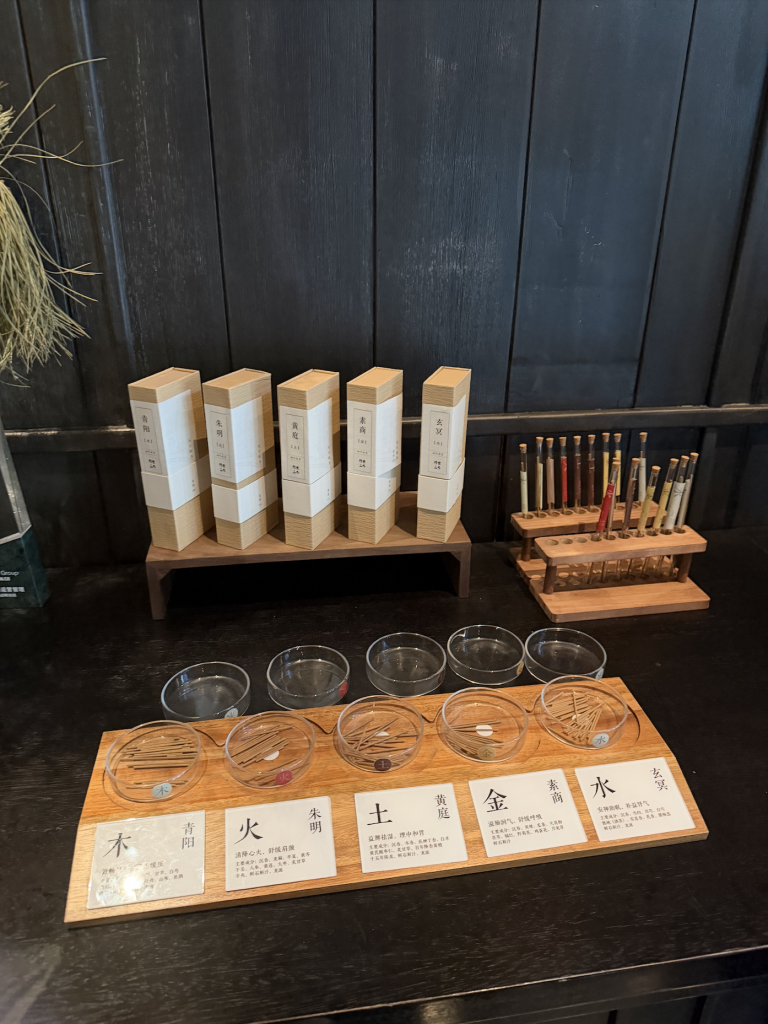
Interactive Scent Selection Bar: Upon arrival, visitors engage with a special olfactory station that features plant extracts and glass cloches. Guests have instant control over their temporary domestic environment when they choose a personal room fragrance upon check-in.
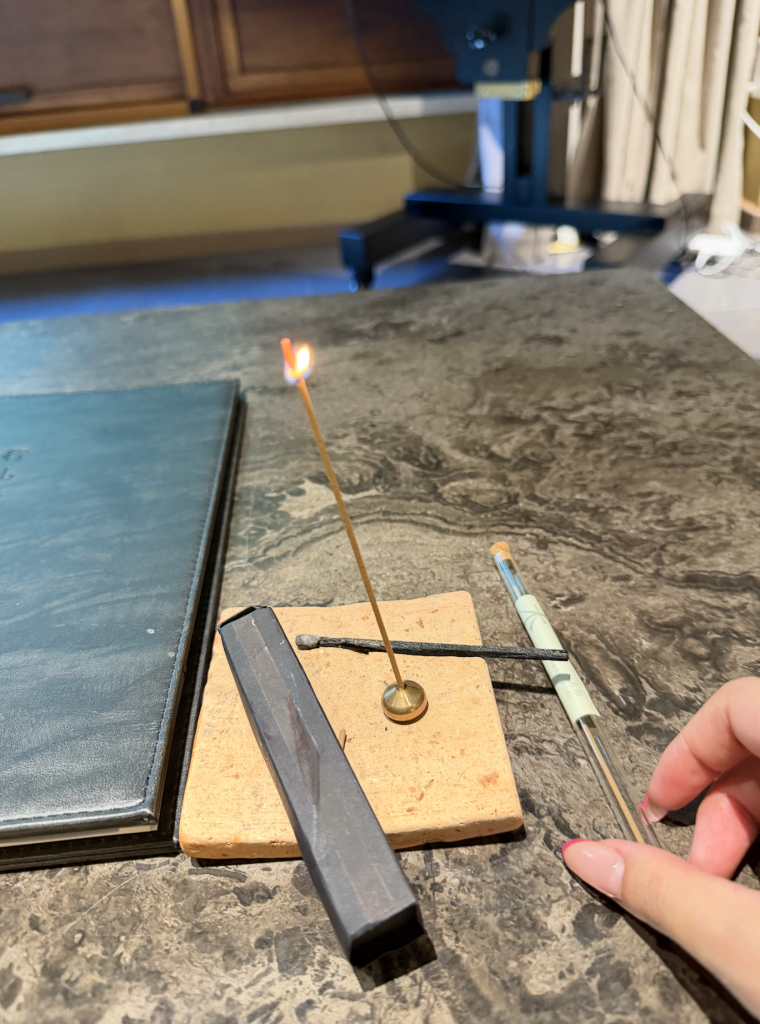
In-Room Incense Ritual: An incense holder and handcrafted sticks with calming woody and herbal profiles are available inside the private room. Within minutes of lighting the incense, a cold, foreign hotel room becomes a cozy, emotionally stable haven.
Perspectives on Action Research
Important lessons for my ongoing studies on transitional objects came from this experiential case study:
Instant Spatial De-alienation: Olfactory cues quickly get past cognitive barriers to create an invisible “safe zone,” but visual unfamiliarity promotes sensations of disorientation.
Empowerment through Agency: People can take charge of their immediate microenvironment by simply selecting and activating a scent. The idea behind my 5-Day “Micro-Comfort Zone” intervention is directly supported by this: active sensory engagement reduces temporary distress and spatial alienation.
The next goal of my iterative work will be to translate this spatial, ritualized olfactory experience into a portable, tactile companion object.
Leave a Reply