Our noses, not our eyes, are often the source of our most vivid memories of a place.
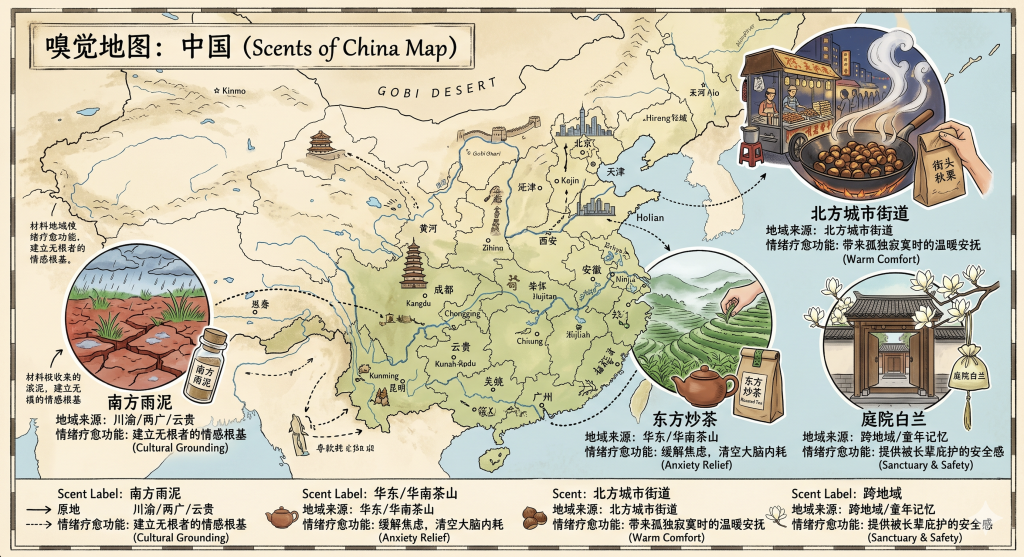
I took an olfactory tour in Southwest China through Dali, Chengdu, and Chongqing as a creative exploring the connection between scent and emotional connection. My objective was straightforward: to collaborate with local small fragrance companies to identify and extract aroma markers that represent Chinese cultural identity and emotional resonance.
My first stop was Dali, Yunnan.

Despite its charming image, Dali is home to some of China’s highest biological richness. Nestled between Erhai Lake and the Cangshan Mountains, its montane environment and year-round sunshine support wild flowers, ancient high-mountain tea trees, and a diversity of botanicals. The clear, damp verdancy of the air makes it an excellent site to start searching for pure Eastern natural scents.
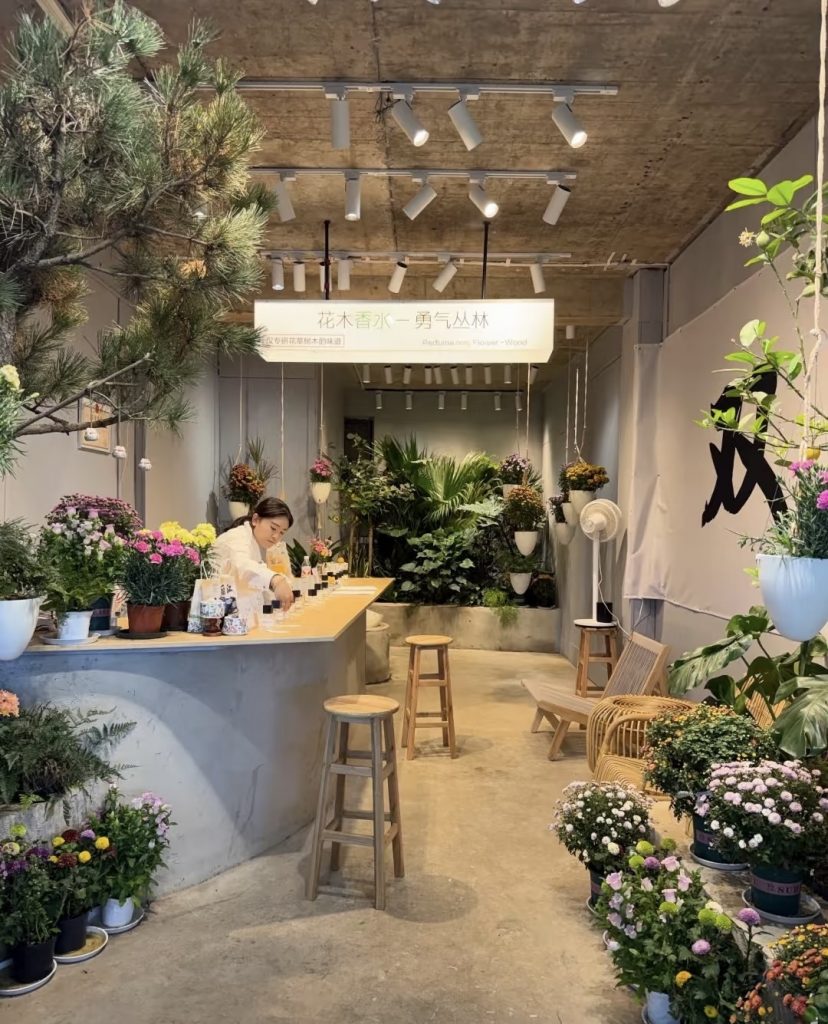
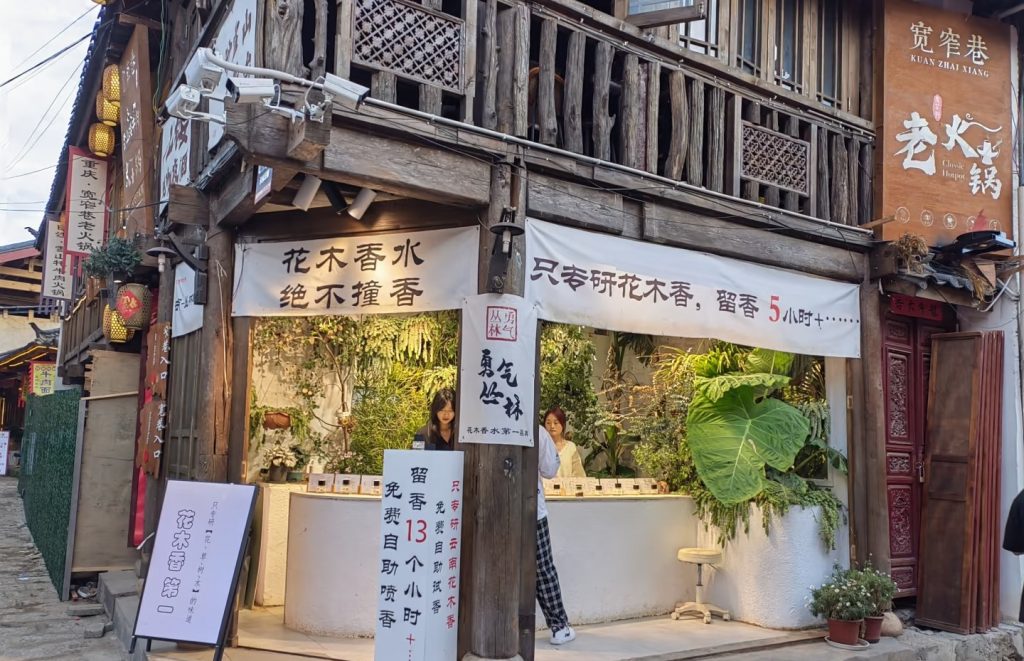
I visited “Yong Qi Cong Ling” (Courage from Within), an independent local perfume workshop located in a serene courtyard in an old town.
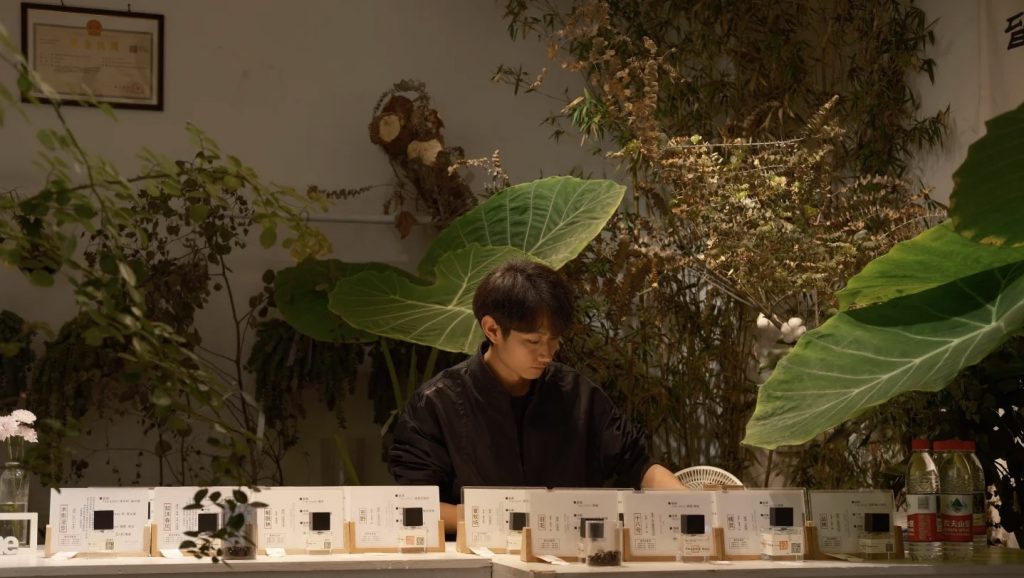
This business initially caught my attention due to its founding motto, “Dedicated to the scents of flowers, grass, trees, and wood.” The inventor clarified that their goal is to depict Dali’s unfiltered, raw floral life instead of the uniform, heavy compositions found in commercial perfumery. Their formulation workstation is like a little Yunnan forest, with fragrant ingredients derived from natural soil, moss, bark, and flowers.
In the studio, where sunlight streamed through the window frames onto scent strips, I sat down with their team across a wooden table to talk about the main idea of my research: How can real, tangible scents of Eastern botanicals evoke emotional resonance and grounding for people who live far from home?
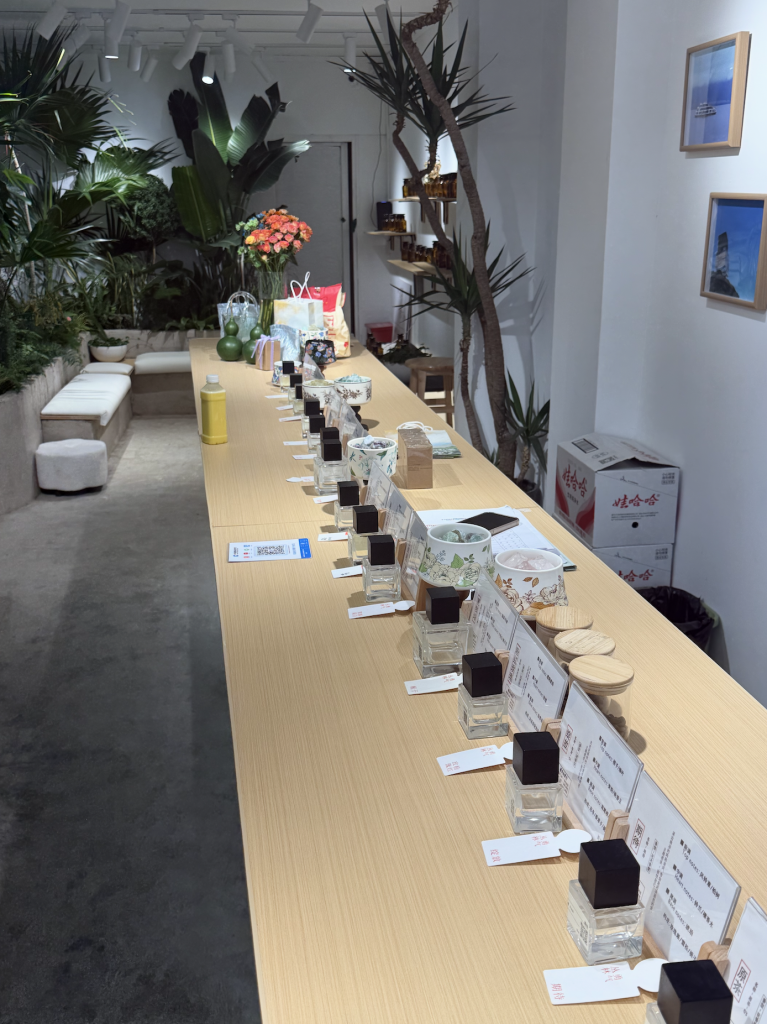
After hours of olfactory testing, comparative research, and critical debate, we identified many fragrance profiles with distinctive Eastern cultural significance:
Orchid: A serene and serene nobility
Unlike Western perfumery, which often depicts flowers as sweet and opulent, Dali’s wild mountain orchids have a sharp, slightly bitter, and penetrating delicacy. The traditional Eastern esthetics of modesty, sturdiness, and seclusion are reflected in the “orchid in a secluded valley” cultural stereotype.
Jasmine: Peaceful Memories of Daily Life
Unlike black, indolic commercial extractions, Yunnan’s small-petaled jasmine has a delicate, green freshness reminiscent of early morning harvests. The soothing aroma of brewed jasmine tea and the handcrafted jasmine bracelets sold on sunny summer streets are only two examples of the centuries-old domestic memories it evokes.
In addition to flowers, we tried blending alpine fir from Cangshan, the rich depth of Yunnan black tea (Dianhong), and petrichor from moist soil. By going beyond the conventional top, middle, and base notes, this technique turns the fragrance profile into a spatial, narrative-driven micro-landscape.
This phase of Dali’s work grounded the broader Eastern nature philosophy in tangible materials, going beyond simple botanical formulation notes. With these fresh perspectives, I will move on to the next stage of my fieldwork.