My continued fieldwork took me to the vertical metropolis of Chongqing after I had explored mountain flora in Yunnan, literati botanicals in Chengdu, and antique fragrance artifacts.
The vivid scent of sizzling tallow, dried chiles, and Sichuan peppercorns found in Chongqing’s streets symbolizes the visceral, social warmth of daily living, while floral and woody qualities indicate the reflective, peaceful aspect of Eastern culture. Compared to traditional fine perfumes, food-related scents frequently elicit homesickness far more strongly and directly in the collective diaspora memory.
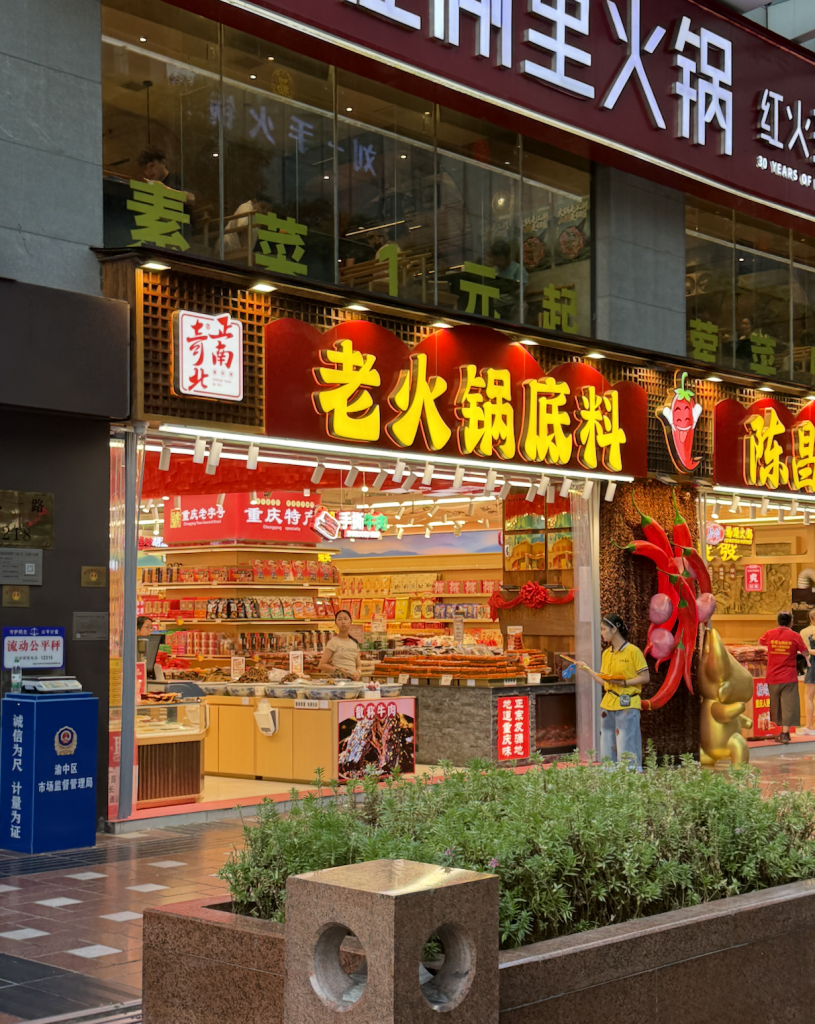
Tallow, Peppercorn, and Star Anise: The Scent of Identity
Rich, vibrant culinary aromas fill the air as one strolls through busy food lanes dotted with traditional brands like Qiaotou Hotpot and artisanal spice workshops:
Simmered Beef Tallow as an Emotional Base: The rich, savory lipid profile offers a solid, stabilizing base that inadvertently evokes sentiments of warmth, domestic comfort, and fullness.
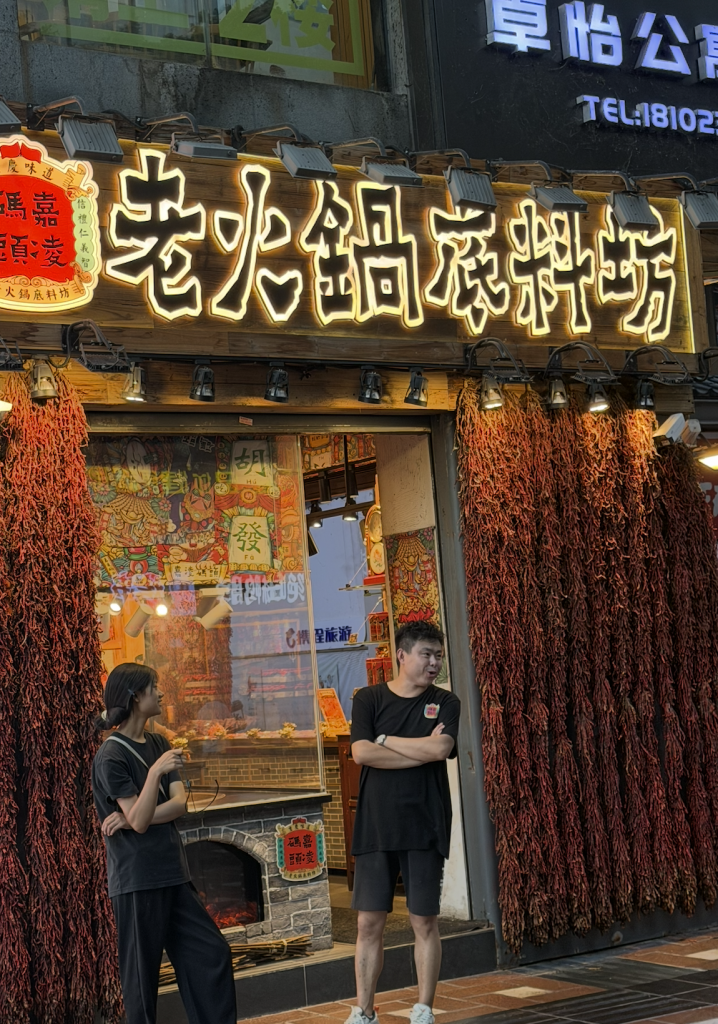
Complex Sichuan Spices: The combination of numbing peppercorns, cinnamon bark, and star anise with the strong toastiness of wok-fried chilies creates an identifiable, penetrating aroma that is a fundamental source of culinary nostalgia for Chinese professionals and students living overseas.
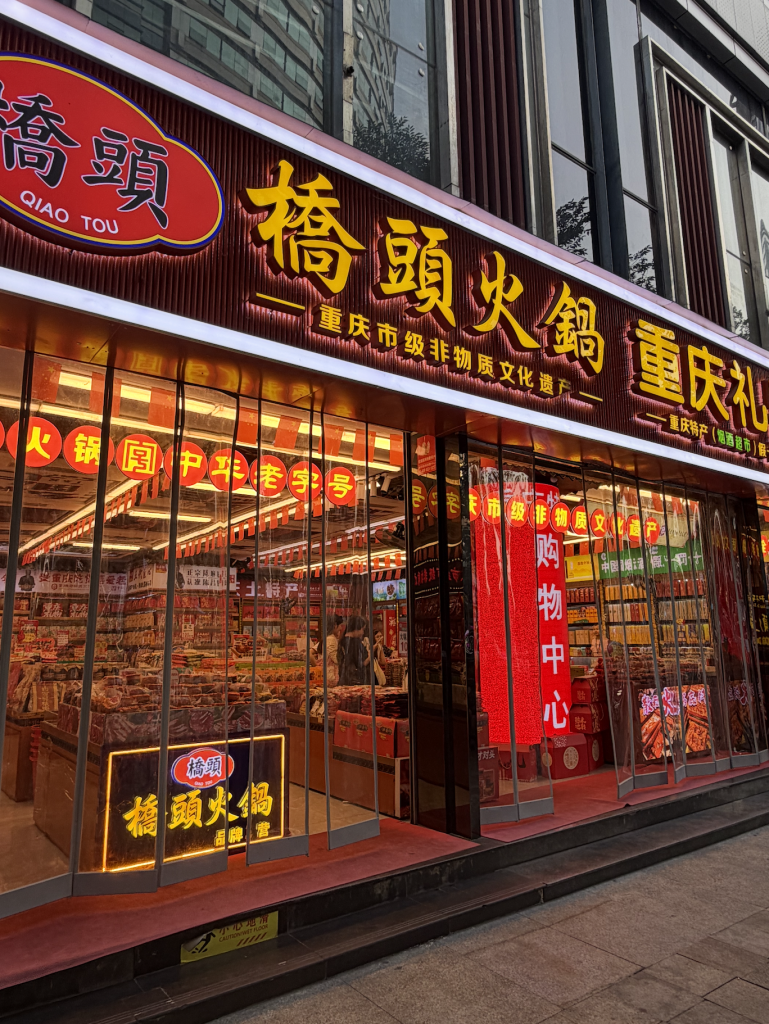
Perspectives on Action Research
Key insights for my ongoing involvement came from observing the deep emotional resonance of culinary scents:
Extending the Olfactory Spectrum: Homesickness has several facets. In addition to peaceful natural fragrances like tea, dirt, and mountain orchids, food scents evoke strong recollections of social events, coziness, and cultural identity.
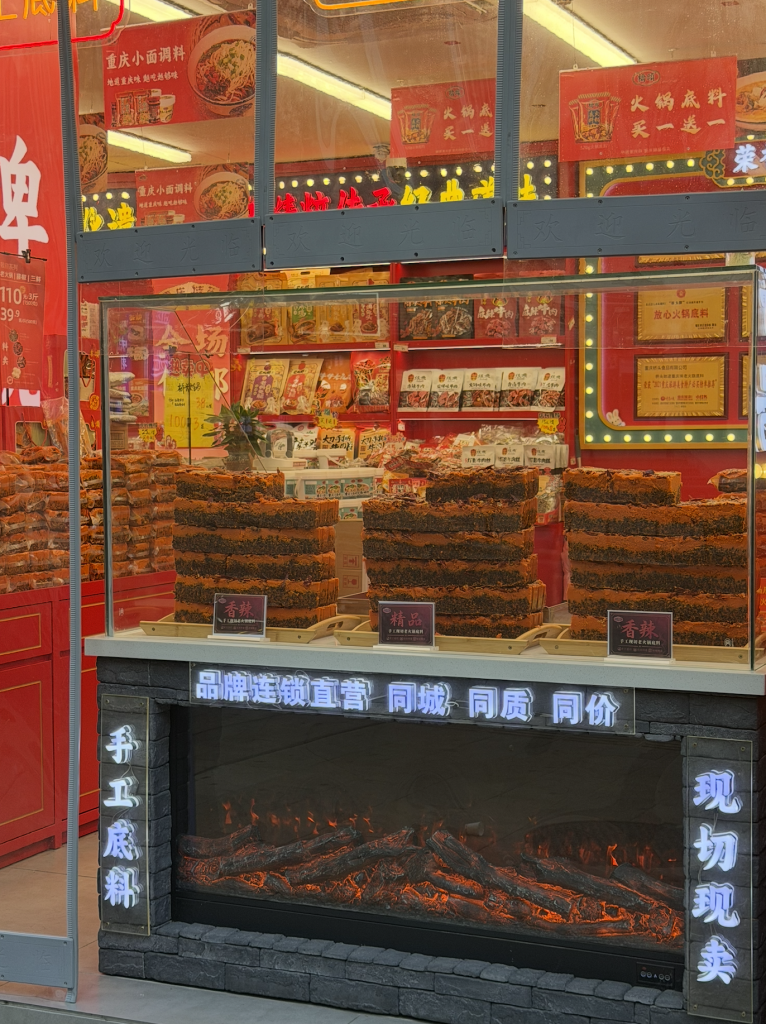
Material and Olfactory Parallels: My material testing with porous carriers (such cedar chips and volcanic stone) is similar to the physical form of solid hotpot blocks, which lock in volatile aromatic molecules until activated.
From Chengdu’s street corner magnolias and Chongqing’s vivid spices to Dali’s high-mountain tea and Lijiang’s alpine cedar, my fieldwork throughout Southwest China offers an empirical, culturally rich palette to inform my dual-sensory transitional companion designs.
Leave a Reply