The Context and the Area of Change
My research is based on a very personal observation I made about the emotional struggles faced by young professionals and international students who live away from home. Many people, like myself, are “drifting”—managing life in distant locations while harboring a deep, even agonizing longing for their origins. The “area of change” is, in my opinion, how we offer this displaced population emotional support. Nowadays, a lot of mental health tools are digital or clinical. I suggest a change to human-centered, sensory-based therapies that use touch and aroma to create a connection between a distant home and a foreign space.

The Concept: Scented Plush Companions
The development of scented plush friends is the change I wish to implement. These are more than just toys; they are “sensory anchors” that preserve the distinct scent of a person’s own country. According to research, the sense most strongly associated with emotion and memory is smell. I want to provide users a concrete link to their past by infusing dolls with fragrances that symbolize particular national or regional backgrounds, such as the aroma of particular tea kinds, native flowers, or spices. The goal of this intervention is to create a haven of comfortable familiarity in the “unknown” and “intimidating” areas of a strange city.
Integrating Theoretical Frameworks
A variety of theoretical stances have influenced my path to this conclusion. I use Van der Kolk’s (2014) explanation that the body “keeps the score” of emotional stress in order to comprehend the physical weight of homesickness and worry. In times of extreme anxiety, a tangible, weighted doll offers the tactile anchoring required to calm the nervous system. In addition, I use Johanna Hedva’s (2015) Sick Woman Theory to support the vulnerability of people who are lost in a very competitive metropolitan environment. This project promotes a type of “radical self-care” for both workers and students, recognizing that their yearning for home is a real need that merits a committed, sensory-rich solution.
Stakeholders and Engagement
Using Freeman’s (2010) Stakeholder Theory, I have determined that this shift requires cooperation between the “drifters” (users), scent experts who can select genuine local scents, and universities like UAL that host international populations. Accurately capturing the “essence” of a home while eschewing preconceptions and concentrating on genuine cultural indicators is the difficult part. In order to make sure that the design is driven by human experience rather than technology convenience, I plan to start conversations with my peers to find out which particular scents make them feel like they belong.
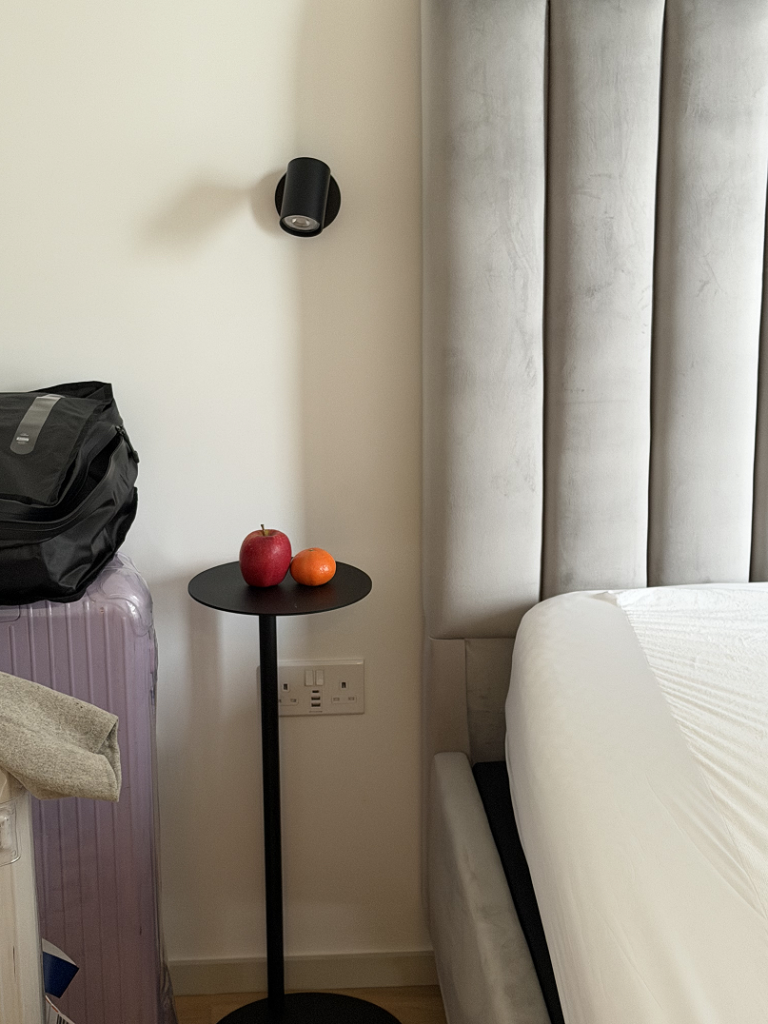
Personal Reflection and Future Goals
This project pushes me to step outside of my comfort zone by fusing cultural psychology with product design. Realizing that the most potent “change” I can effect is not through intricate procedures but rather through a straightforward, fragrant item that conveys the message, “You are not alone; your home is still with you,” has been a life-changing experience. I want to work on this topic for my MA since it combines my technical research abilities with a very humane goal: using memory and touch to alleviate the loneliness of the displaced.
References
Freeman, R. E. (2010) Stakeholder Theory: The State of the Art. Cambridge: Cambridge University Press.
Hedva, J. (2015) Sick Woman Theory. [online] Mask Magazine. Available at: http://www.maskmagazine.com/not-again/struggle/sickwoman-theory (Accessed: 12 April 2026).
Kolk, B. (2014) The Body Keeps the Score: Brain, Mind, and Body in the Healing of Trauma. London: Penguin.
McNiff, J. (2017) Action Research: All You Need to Know. London: SAGE Publications.
Moon, J. (1999) Learning Journals: A Handbook for Academics, Students and Professional Development. London: Kogan Page.
Leave a Reply