- Personal Motivation and Positionality
I started my study by asking myself, “Where does my sense of safety at home come from?” Cross-cultural mobility has influenced my life. I was born in Hong Kong, grew up in Shenzhen, and went on to study abroad, graduating from Parsons with a background in fashion design.
Since I was around eleven years old, I had known that I would eventually pursue my education abroad. This affected my objectives, but it also meant that I would feel dislocated from my homeland and culturally displaced. As a result, I entered an international school to prepare for studying abroad. This experience made me more aware of the need to actively construct a sense of “home” within changing cultural contexts.
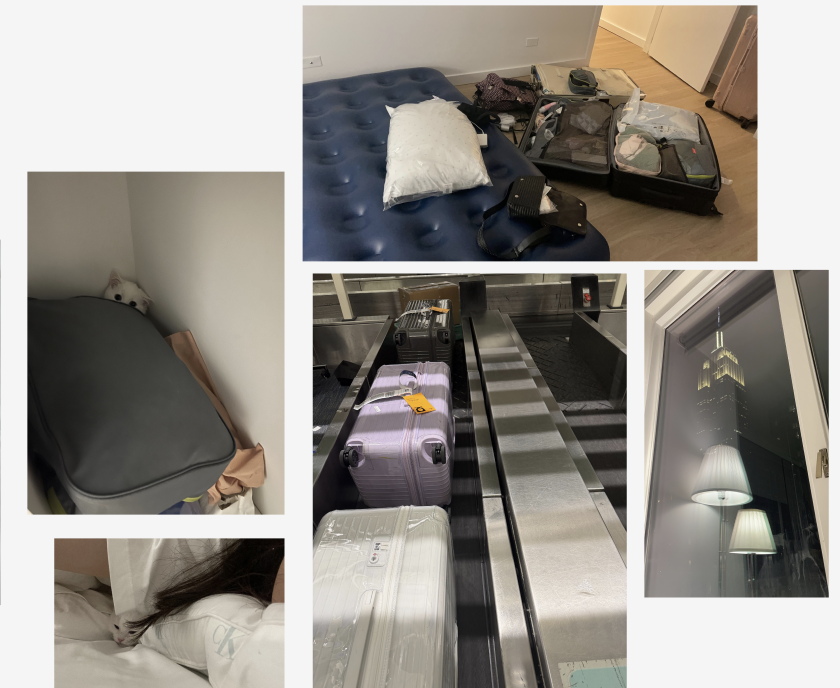
- Sensory exploration and observation
I was in what Moon (1999) refers to as the “Notice” stage of reflective learning at the start of the project. I started by focusing on the little things in my everyday life that gave me a sense of security. I found that routines, familiar places, and well-organized surroundings helped foster a feeling of peace and order.
I also found that comfort was greatly enhanced by sensory components like flowers, fragrance, and soft items like stuffed animals. I did informal research on Chinese online forums like Tieba to see whether anyone else had a similar experience. I noticed a lot of similarities: people described the aroma of osmanthus, floral water, sun-dried bed linens, and their mother’s scent. Childhood memories were closely associated with these scents.
This insight has to do with how the body and memory are related. According to Kolk (2014), emotional experiences are both cognitive and embodied, which explains why powerful sentiments of familiarity and safety can be triggered by scent.
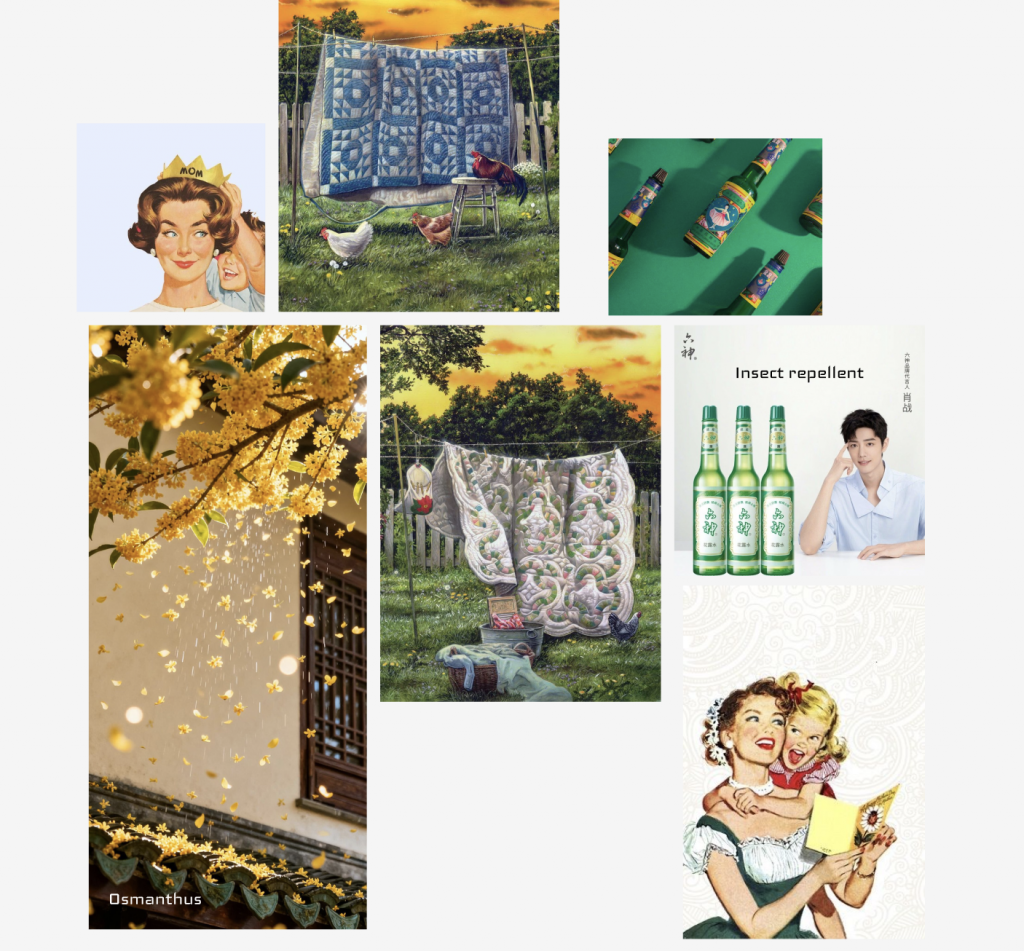
- Making Sense and Research Methodology
I entered Moon’s “Making Sense” stage as the investigation progressed (Moon, 1999). I started to examine the significance of these sensory impressions and came to the conclusion that routine, memory, and emotional attachment are all strongly linked to a feeling of safety.
I viewed my study as a type of action research in order to advance this investigation. Action research is a cyclical process of observation, reflection, and concept refinement, according to McNiff (2017). I constantly switch between research and firsthand observation in my project so that my concepts can develop via practice.
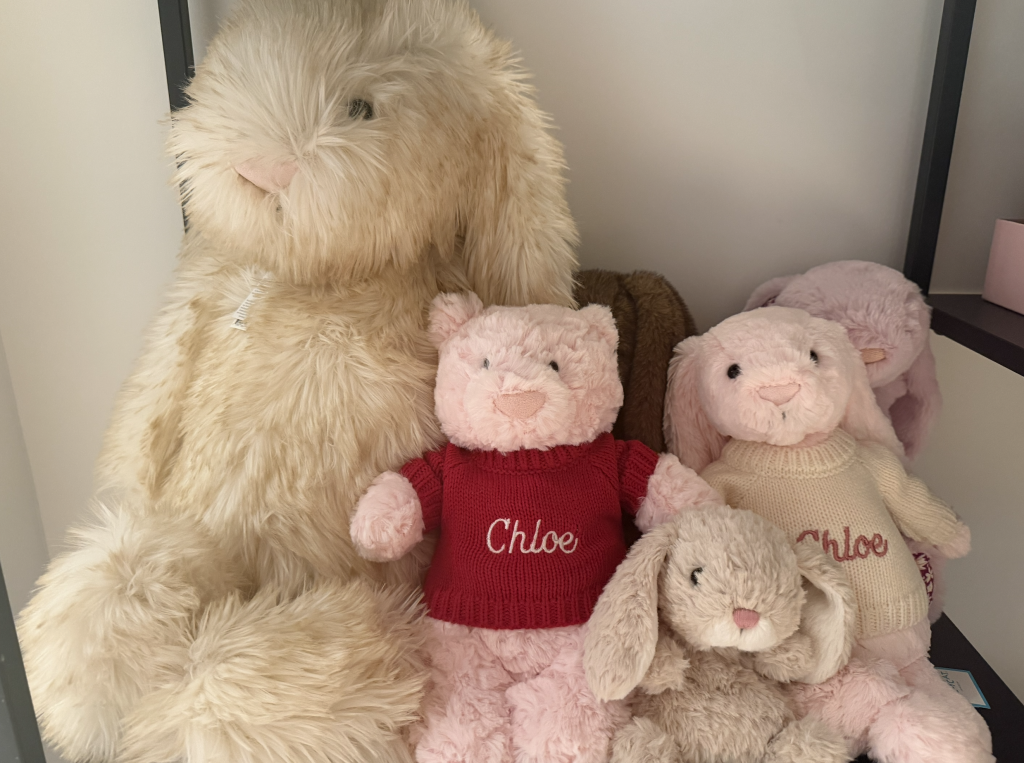
- Audience and Prospects
I started to see how important my endeavor is to other people in addition to being personal. International students who struggle with homesickness and cultural adjustment make up my main audience.
I’m now at Moon’s “Working with Meaning” stage, when I look at these experiences from other angles. I’m creating a design direction centered on multimodal emotional environments by tying together sensory memory, emotional attachment, and spatial experience. This research investigates how people who live in different cultures can have brief but significant moments of psychological ease through design.
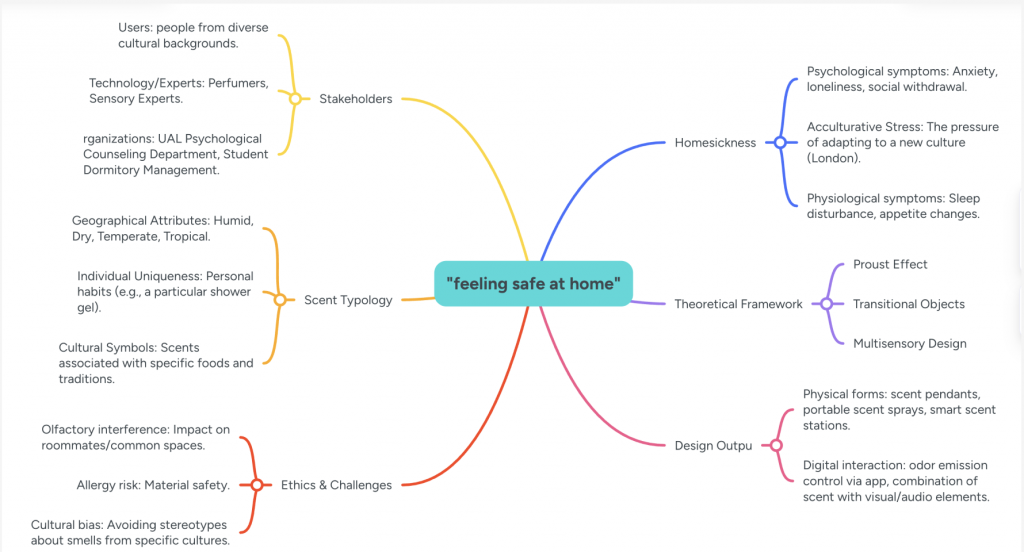
References
Moon, J. (1999) Learning Journals: A Handbook for Academics, Students and Professional Development. London: Kogan Page.
McNiff, J. (2017) Action Research: All You Need to Know. London: Sage.
Kolk, B. (2014) The Body Keeps the Score. London: Penguin.
Leave a Reply