Stages of Representation:
- Notice: Simply recording what happened.
- Making sense: Beginning to integrate information and trying to figure out what happened.
- Making meaning: Beginning to connect new experiences with existing knowledge.
- Working with meaning: Being able to examine the same event from multiple perspectives.
- Transformative learning: Reflection that ultimately changes your behavior, attitudes, or worldview.
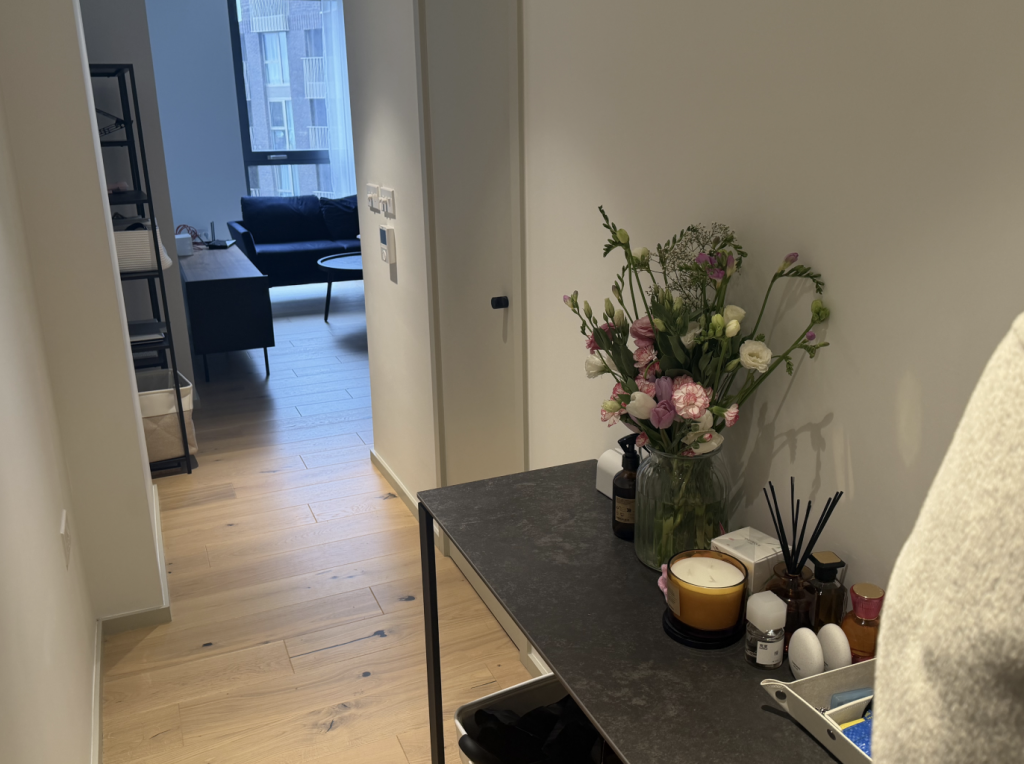
I was in the “Notice” phase at the beginning of the project. I just noted specifics of my everyday life, like how certain areas, items, or routines at home made me feel comfortable. For example, I started to observe emotional changes that were brought on by ordinary actions like staying in a familiar room, arranging things, or taking in my home’s surroundings.
I entered the “Making Sense” phase as the research went on. I collected these experiences into more lucid observations and started to examine why these commonplace components offered a sense of comfort. For example, I found that a sense of security is connected to memories, routines, and individual experiences in addition to actual locations.
I progressively advanced into the “Making Meaning” level through additional introspection. I started making connections between these intimate experiences and more general ideas like “home,” emotional attachment, and personal development. This helped me understand that a person’s psychology and past experiences play a significant role in their sense of security, rather than just the exterior world.
I’m currently trying to go into the “Working with Meaning” stage through constant observation and documenting. During this stage, I reexamine previous memories from many angles. For example, I use the three dimensions of place, memory, and emotion to comprehend the “sense of security at home.” I am able to comprehend my own emotional structure better because of this multifaceted approach.
According to Moon (1999), the most profound kind of introspection is “transformative learning,” which implies that introspection eventually alters a person’s thoughts or actions. This project offers me the chance to reconsider my relationship with home spaces, memories, and personal identity in addition to analyzing the sources of a sense of security.
Moon, J. (1999) Learning Journals: A Handbook for Academics, Students and Professional Development. London: Kogan Page.
Leave a Reply