I investigated the traditional Chinese practice of creating scented sachets (香囊) at this phase of my olfactory trip. I was very curious about how smell was transported prior to the invention of contemporary perfume goods and how various natural elements were chosen and blended into a compact, portable item.
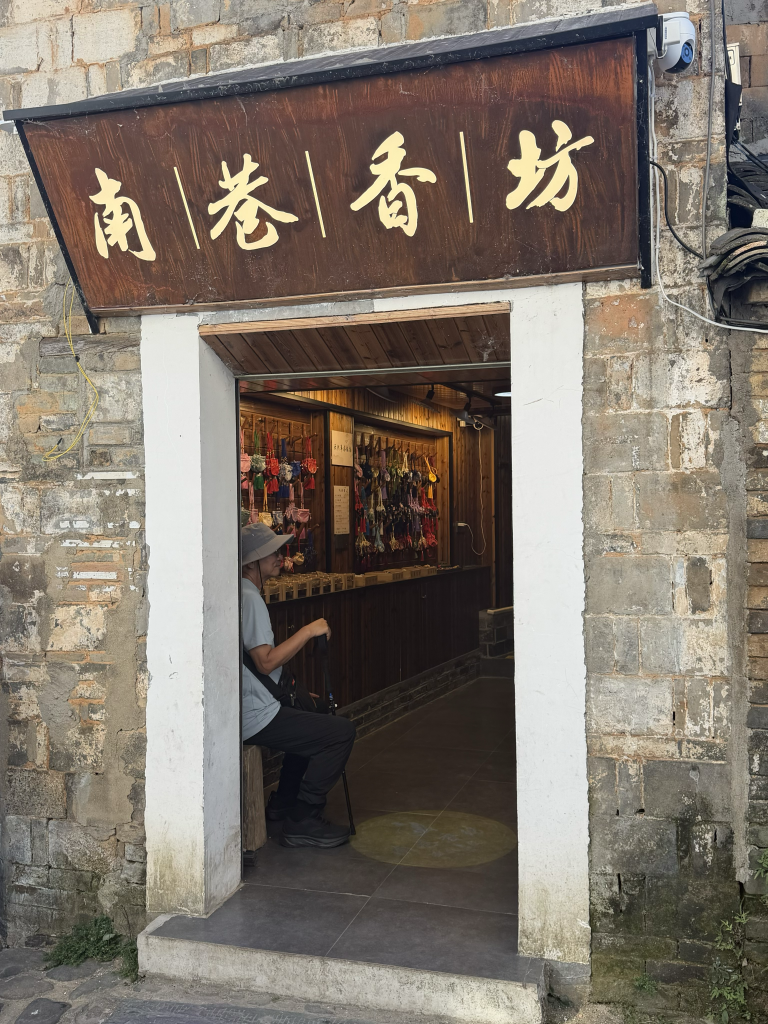
Finding Out How to Make a Traditional Sachet
I gained knowledge about the steps involved in making a traditional sachet, including choosing and mixing dried aromatic ingredients, grinding them, and putting them inside a cloth container. The fact that the sachet is more than just a receptacle for a nice scent piqued my interest. It functions as a single sensory item because of its substance, fragrance, tactile qualities, and mobility.
This had an instant connection to my own endeavor. I’ve been investigating a portable sensory companion that can surround the user with a tiny psychological safe space. The traditional sachet demonstrated to me China’s long-standing cultural custom of keeping fragrances near to the body.
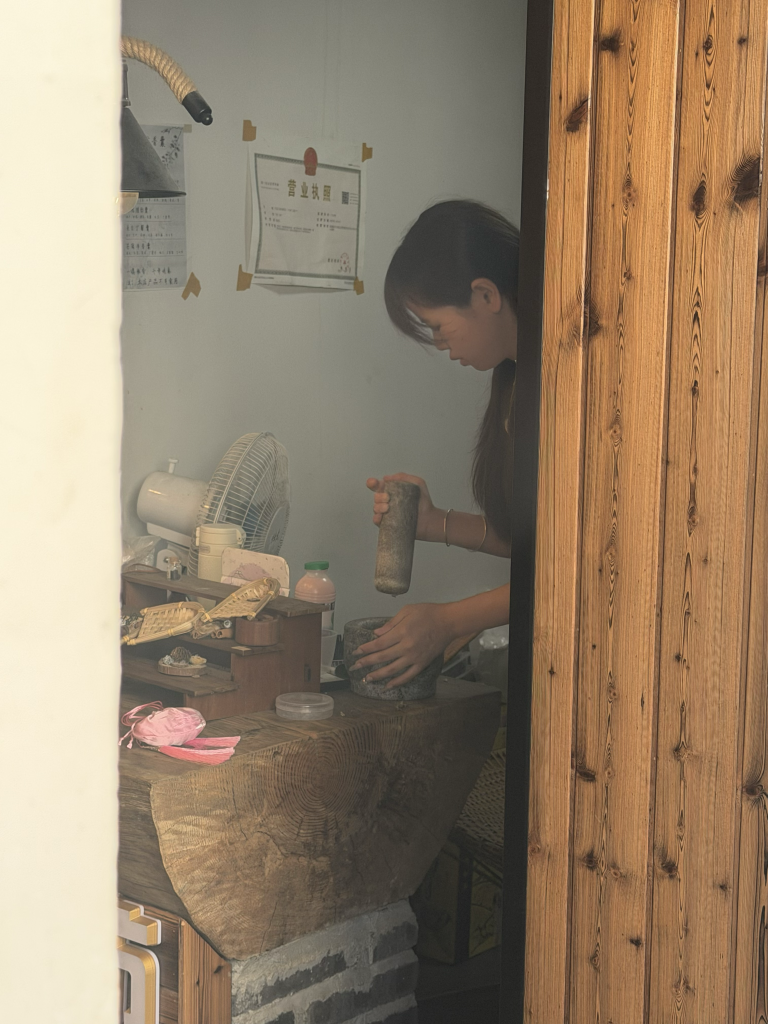
Examining Herbal Materials from China
Learning about various Chinese herbal materials (中药材) that are traditionally linked to relaxation, relaxation, and well-being, as well as how various ingredients might be combined, was another crucial aspect of this research.
I began focusing more on the qualities of each raw material, such as its intensity, how it changes when coupled with other ingredients, and how the entire aroma might be balanced, rather to just if a fragrance “smells good.”
The blending process was especially motivating. Different materials can provide distinct layers to the ultimate sensory experience rather than depending on a single prominent scent. This caused me to reconsider how I might create smell profiles for my own project.
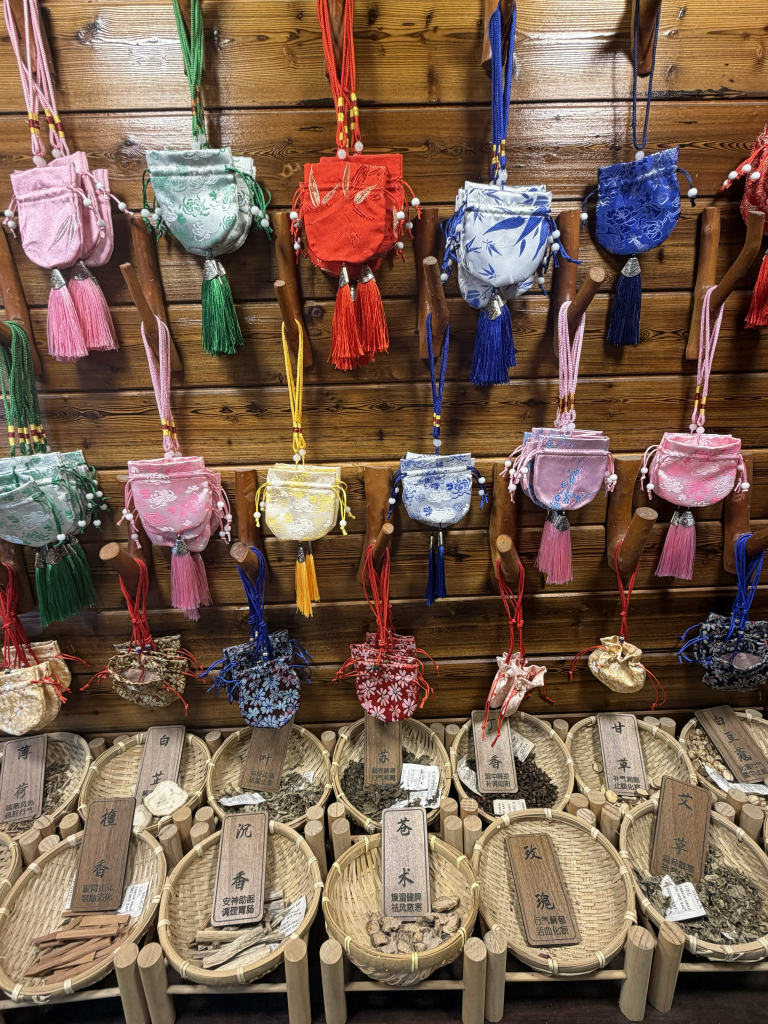
From Fragrance to a Transportable Fragrance Product
Additionally, this encounter altered my perception of what an olfactory object might be.
In the past, perfume and fragrance design were my primary sources of inspiration. Another option was presented by the sachet: the fragrance does not always have to be actively dispersed into a space or sprayed on the body. When a user carries, handles, or holds an object, it can stay contained within it and gradually disseminate.
After my second intervention, this seems especially pertinent. Scent needs to stay personal rather than impacting everyone around the user if my sensory partner is going to be used in restaurants, on public transportation, at university, or in other strange settings.
Leave a Reply